
Load Banks
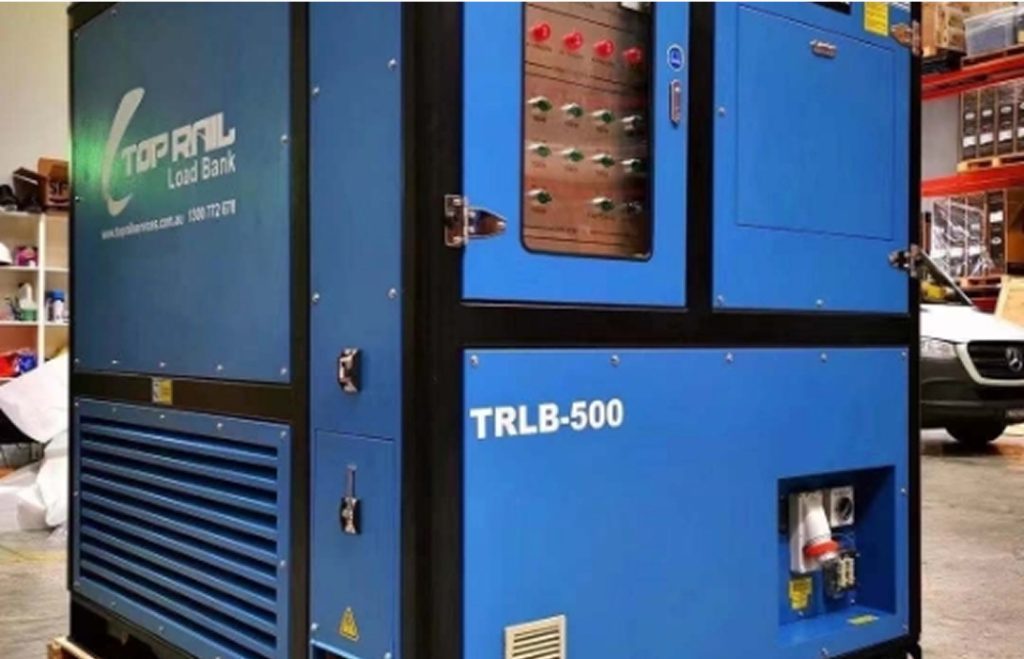
Resistive Load Banks for Generator Testing and Maintenance
What's On This Page
What Is a Resistive Load Bank?
Our Range of Manually Switchable Load Banks
Finding the right tool for the job is essential. We offer a selection of portable and robust resistive load banks, each designed for specific generator testing and maintenance applications across commercial and industrial settings.
15kW Portable Resistive Load Bank
A compact and portable unit, perfect for workshop testing of small generators (up to 50kVA).
30kW Portable Resistive Load Bank
Ideal for mid-range testing and validation of medium-sized generators (up to 100kVA).
100kW Portable Resistive Load Bank
Our most popular industrial model, built for comprehensive testing of larger systems (up to 300kVA).
200kW Portable Resistive Load Bank
A heavy-duty solution for industrial generator validation and commissioning projects (up to 500kVA).
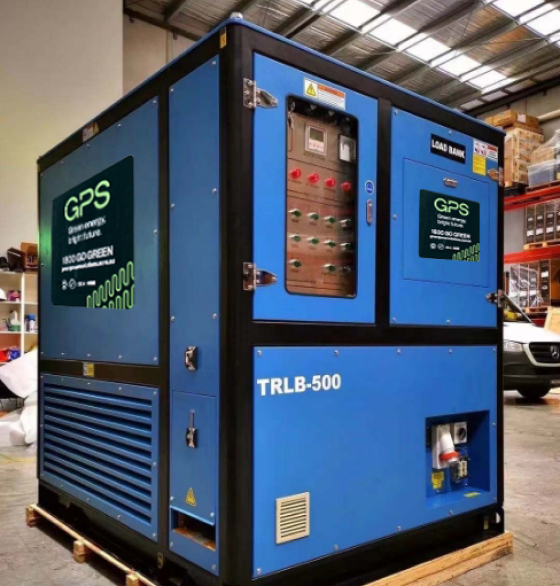
500kW Portable Resistive Load Bank
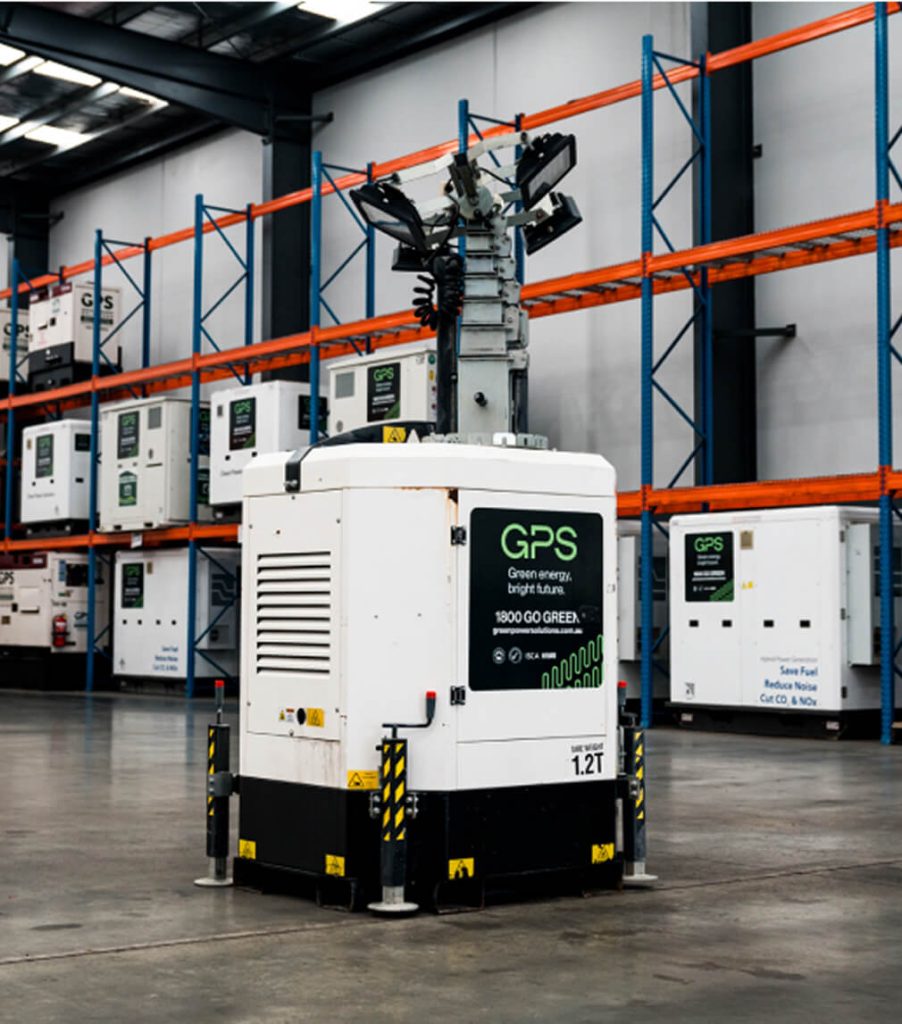
Built Tough for Australian Conditions
Comprehensive Generator Testing and Maintenance
Regular load testing is the key to a reliable generator. Our solutions support a full suite of testing applications to keep your equipment in peak condition.
Performance Validation and Capacity Testing
How can you be sure your generator will perform under pressure? Our load banks provide the answer. We enable you to conduct full-load capacity tests to confirm your generator meets its specified performance requirements. You can also run extended reliability tests to validate performance under sustained operation, with precise load stepping to confirm its capacity across the entire operational range. All tests can be fully documented to support your maintenance records and compliance needs.
Preventative Maintenance Programmes
A scheduled testing programme is the most effective way to prevent performance degradation. For diesel generators, regular loading is crucial for preventing wet stacking, a condition where unburnt fuel and carbon build up in the engine, leading to damage and reduced efficiency. By monitoring performance trends over time, you can identify maintenance needs before they become critical failures.
Case Study Brisbane Manufacturing Facility
Versatile Solutions for Workshops and On-Site Use
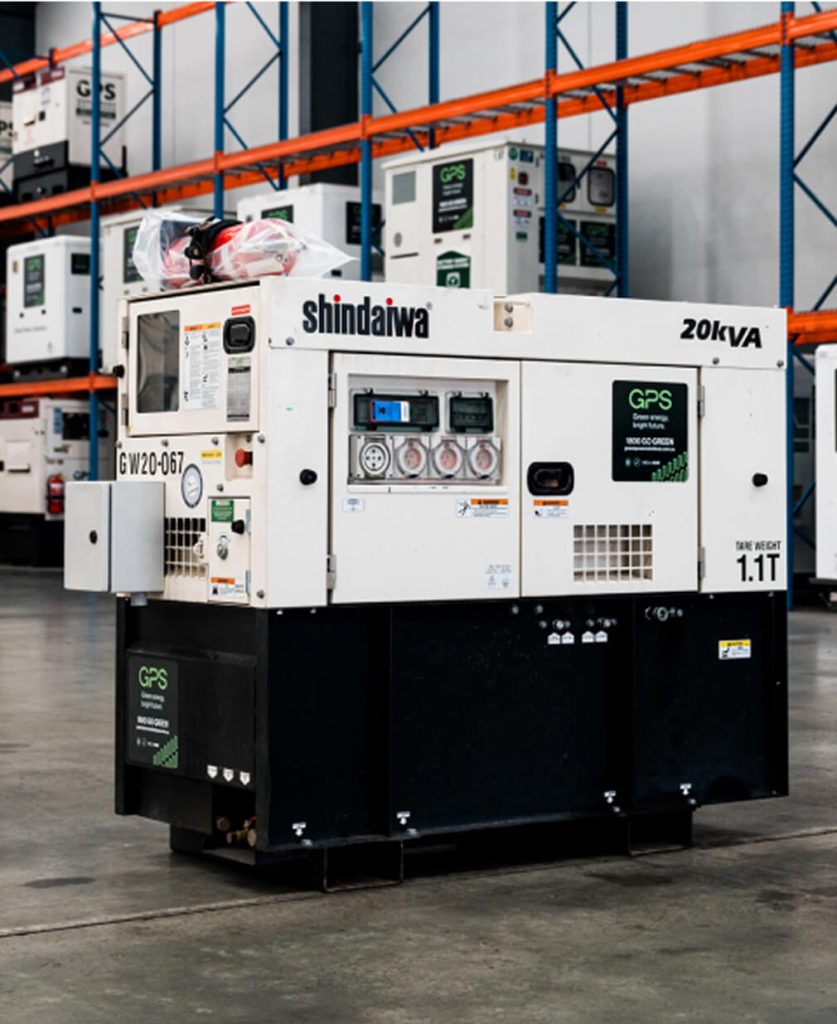
Whether you service generators in-house or need to test them in the field, we have a load bank solution to match your workflow.
Workshop Testing Excellence
For generator service workshops, reliable load testing equipment is non-negotiable. Our range includes fixed installation options for consistent in-house testing capability and portable units for maximum flexibility. We recommend the 15kW and 30kW portable load banks for their ease of use in workshop environments. Use them to validate performance after repairs, provide certification for serviced generators, and demonstrate operational readiness to your customers.
Case Study Sydney Generator Service Workshop
A busy commercial workshop servicing over 50 generators a month needed a flexible testing solution. They opted for a fixed 100kW load bank and a portable 30kW unit. This combination enhanced their service quality, improved customer confidence, and streamlined their entire testing operation.
On-Site Testing and Commissioning
We provide professional on-site load testing solutions to support generator commissioning, maintenance, and performance validation right at the installation site. Our mobile units, like the versatile 100kW and 200kW models, are easily transported and set up, minimising disruption to critical operations in facilities like hospitals, data centres, manufacturing plants, and remote mining sites.
Technical Specifications
| Load Range | Voltage | Construction | Applications | |
|---|---|---|---|---|
| 15kW Portable Resistive Load Bank | 0-15kW, manually switchable | 415V 3-phase, 50Hz | Portable steel enclosure with lifting handles | Small workshop generators, portable testing |
| 100kW Portable Resistive Load Bank | 0-100kW, manually switchable in 5kW increments | 415V 3-phase with neutral, 50Hz | Heavy-duty steel enclosure for outdoor use | Industrial generators, on-site commissioning |
| 500kW Portable Resistive Load Bank | 0-500kW, manually switchable in 25kW increments | 415V 3-phase | Industrial enclosure for permanent or truck-mounted use | Large industrial generators, critical facility testing |
A Guide to Generator Reliability
A Guide to Generator Reliability
Imagine the scene. It’s the peak of a summer heatwave, and the grid finally gives out. The lights flicker and die. There’s a moment of calm, the quiet hum of anticipation as everyone waits for the standby generator to kick in. And then… nothing. Just silence. That silence isn’t peaceful. It’s the sound of lost production, stalled operations, critical data becoming inaccessible, and customer confidence evaporating.
For any Australian business that relies on backup power, this isn’t just a hypothetical scenario. It’s a critical risk. An untested, unverified generator is a liability waiting to happen.
At Green Power Solutions, we provide the solution to that silence. Our comprehensive range of robust, Australian-engineered resistive load banks, from a portable 15kW to a heavy-duty 500kW unit, are designed for one clear purpose. To give you absolute certainty that your power will be there when you need it most. Through precise, real-world testing, our load banks validate your generator’s capacity, prove its operational readiness, and prevent the silent engine damage that causes most unexpected failures.
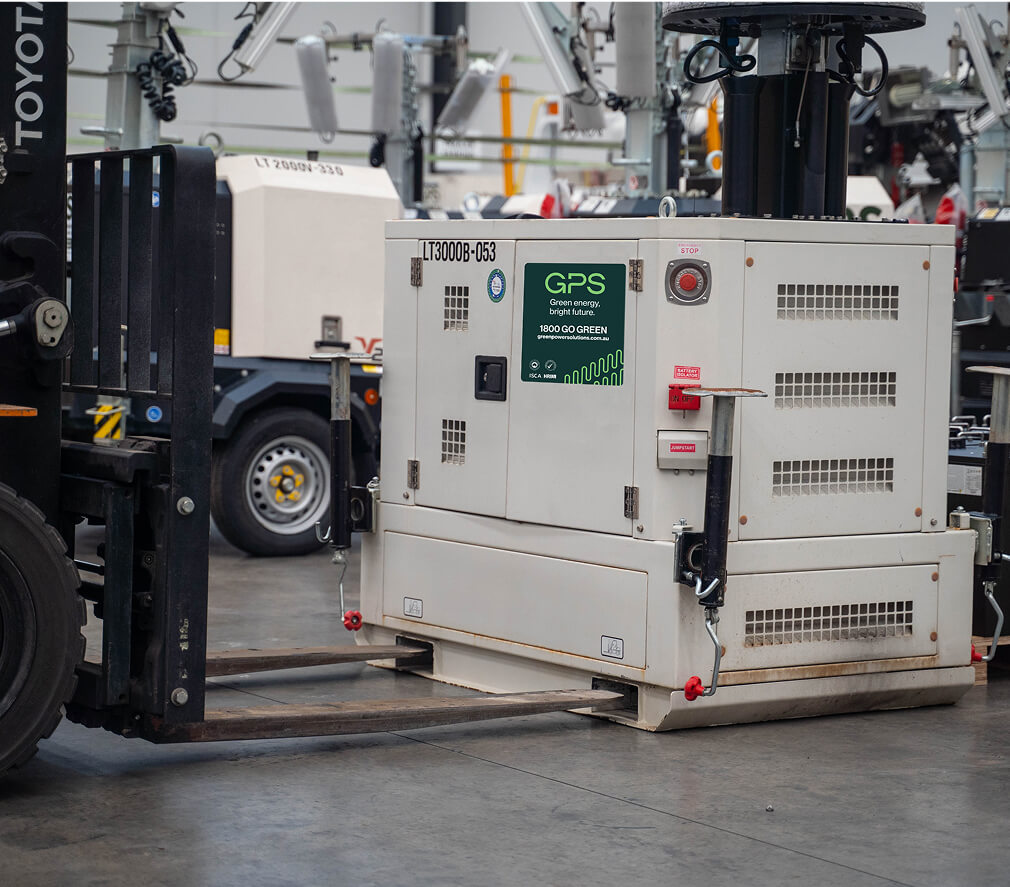
The Unseen Risks - Why Regular Generator Testing is Non-Negotiable
The Silent Engine Killer - A Deep Dive into Wet Stacking
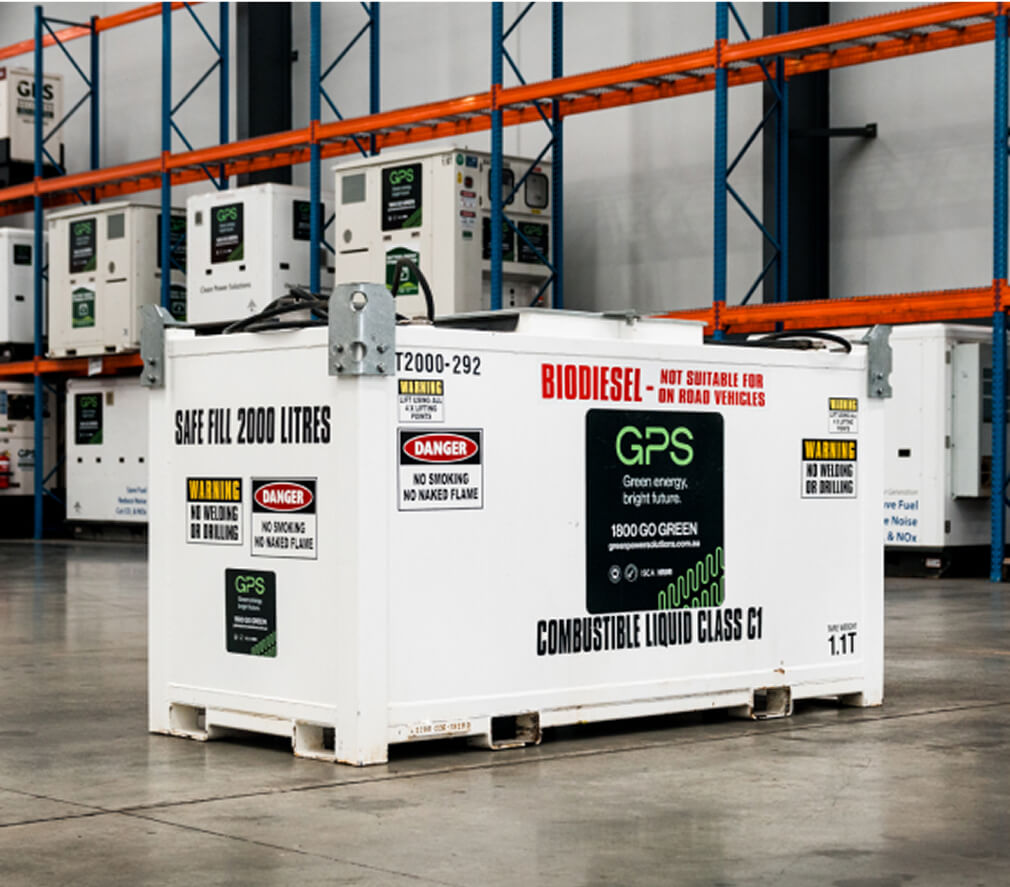
One of the most common and damaging issues for diesel generators is “wet stacking.” This occurs when the generator is consistently run on a light load or no load at all. Because the engine isn’t reaching its optimal operating temperature, the diesel fuel doesn’t burn completely.
This unburnt fuel and carbon soot build up inside the engine. At first, it’s just a black, oily residue that coats the exhaust pipes, injectors, and turbocharger. Over time, this residue hardens into a thick glaze. This build-up acts like a corrosive sludge, reducing efficiency, increasing fuel consumption, and causing significant engine wear. If left unchecked, wet stacking can lead to clogged piston rings, damaged cylinder liners, and ultimately, complete engine seizure. It’s a slow, silent killer that can slash the lifespan of your expensive equipment.
Regular load bank testing is the only effective antidote. By running the generator at 70-100% of its rated capacity for a sustained period, the engine reaches its proper temperature, burning off the accumulated deposits and clearing the system. It’s like a deep clean for your generator’s engine, ensuring it runs efficiently and reliably for years to come.
More Than Just Wet Stacking - Identifying Other Potential Failures
While preventing wet stacking is a primary benefit, load testing is a comprehensive health check for your entire generator system. The stress of a full-load test can reveal a host of other hidden problems before they cause a real-world outage:
Cooling System Weaknesses
Will the radiator and fans keep the engine cool when it’s working hard for hours on end? A load test will quickly identify overheating issues.
Fuel System Faults
The test can expose problems with fuel pumps, filters, and injectors that only become apparent under high demand.
Electrical Component Integrity
The alternator, voltage regulator, and control wiring are all stressed during a load test, revealing any weaknesses or pending failures in the electrical system.
Exhaust System Leaks
The True Cost of a Power Failure
Choosing Your Solution - Our Range of Resistive Load Banks
We offer a complete portfolio of manually switchable load banks, ensuring there’s a perfect fit for every application, from small-scale workshop repairs to large industrial commissioning projects.
15kW Portable Resistive Load Bank
The ultimate compact unit for workshop testing of smaller generators (up to 50kVA).
30kW Portable Resistive Load Bank
A versatile mid-range solution for validating medium-sized generators (up to 100kVA).
100kW Portable Resistive Load Bank
Our most popular industrial model, offering robust capacity for comprehensive testing of larger systems (up to 300kVA).
200kW Portable Resistive Load Bank
A heavy-duty workhorse for industrial validation and commissioning projects (up to 500kVA).
500kW Portable Resistive Load Bank
How to Select the Right Load Bank for Your Needs
Choosing the right load bank involves more than just matching the kilowatt rating. Consider these factors:
Primary Use Case
Will you be testing in a controlled workshop or out in the field? For workshop use, our 15kW and 30kW units offer unmatched convenience. For mobile, on-site testing, the forklift-portable 100kW and 200kW models are ideal.
Load Capacity
The golden rule is to match the load bank’s maximum kW rating to the generator’s prime power rating. This ensures you can perform a true 100% load test.
Portability
Built for the Real World - Robust Design and Unwavering Safety
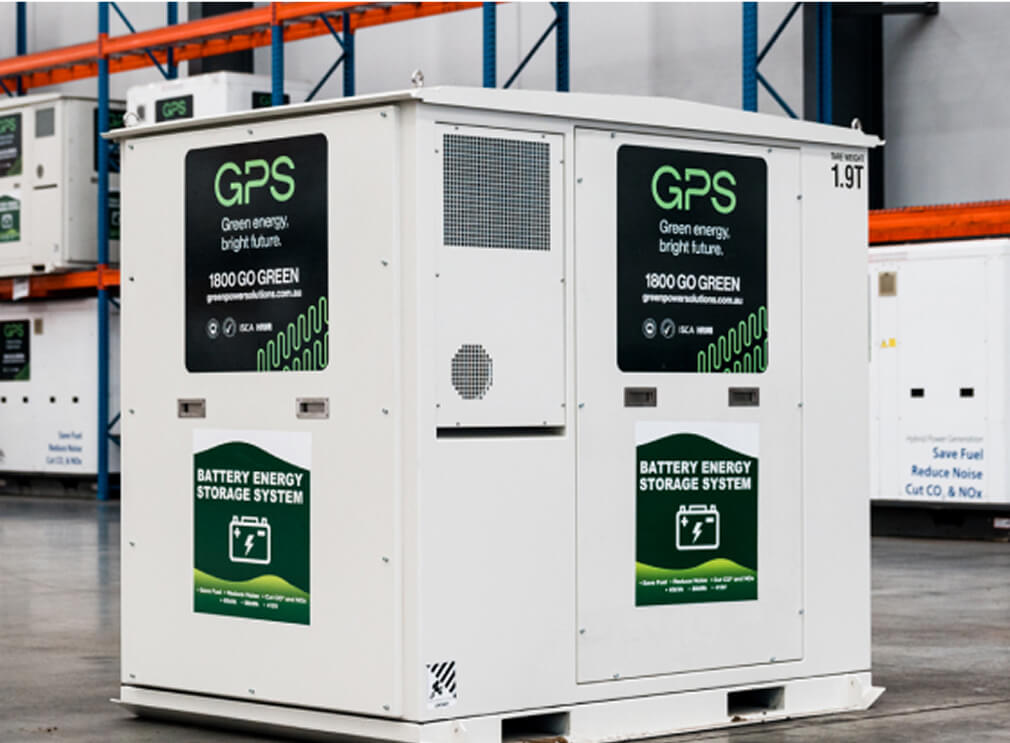
A load bank has a tough job. It needs to perform flawlessly in the heat, the cold, and the dirt of a real worksite. That’s why our load banks are engineered for maximum durability and reliability. Housed in heavy-duty steel enclosures with weather-resistant finishes, they are built to withstand the demands of daily industrial use.
Inside, industrial-grade components and oversized cooling systems ensure stable performance, even during extended full-load tests. Operation is straightforward, with clear manual switches for precise load stepping, allowing you to apply load incrementally and accurately monitor the generator’s response.
Safety is paramount. Every unit incorporates a multi-layered safety system, including automatic overheat protection, an accessible emergency stop, and safety interlocks. You can conduct your tests with the confidence that both your personnel and your equipment are protected.
The Anatomy of a Professional Load Test
Demystifying the process helps you understand the value we provide. When our technicians perform an on-site load test, they follow a rigorous, professional procedure.
We begin by inspecting the generator installation, checking ventilation, and establishing a safe perimeter around the work area.
Our certified technicians safely connect the load bank to the generator's output, typically via a dedicated connection point or the main circuit breaker. All connections are double-checked for security and correctness.
The generator is started and run with no load for a short period to allow it to reach a stable initial operating temperature.
This is the core of the test. Using the manual controls on the load bank, our technician applies the load in predetermined steps (e.g., 25%, 50%, 75%, 100%). At each step, the generator is allowed to stabilise, and we meticulously record key parameters like voltage, frequency, amperage, and engine temperature.
Once at 100% load, the generator is run for a specified duration, typically one to four hours, to prove its endurance and test the cooling system's capability.
The load is removed in steps, and the generator is run with no load for a cool-down period. This prevents heat-related damage to the engine and turbocharger.
Following the test, we provide a comprehensive report detailing all the recorded data, observations, and a clear pass/fail assessment. This document becomes a crucial part of your maintenance records.
Tailored Testing for Your Industry
Different industries have different risks, but the need for reliable power is universal. We tailor our testing solutions to meet the specific demands of your sector.
Data Centres and IT Infrastructure
For a data centre, uptime is everything. Even a momentary lapse in power can lead to data corruption and catastrophic service interruptions. Regular, full-load testing of UPS and backup generator systems is not just best practice. It’s an essential requirement for maintaining client trust and compliance.
Healthcare Facilities
In hospitals and clinics, consistent power is a matter of patient safety. Life-support systems, surgical suites, and critical monitoring equipment depend on an uninterrupted power supply. We provide rigorous testing to ensure these essential generators perform flawlessly during any outage.
Manufacturing and Industrial Plants
Unplanned downtime on a production line means lost revenue and productivity. Load bank testing ensures that the generators powering your critical machinery, control systems, and safety equipment are ready to take over seamlessly, protecting your production schedule and your bottom line.
Construction and Mining Sites
Technical Specifications
| Load Range | Voltage | Dimensions | Weight | Applications | |
|---|---|---|---|---|---|
| 15kW Portable Resistive Load Bank | 0-15kW, manually switchable | 415V 3-phase, 50Hz | Approx. 600mm x 400mm x 500mm (LWH) | Approx. 35kg | Terminal block for hard wiring |
| 100kW Portable Resistive Load Bank | 0-100kW, manually switchable in 5kW increments | 415V 3-phase with neutral, 50Hz | Approx. 1200mm x 1000mm x 1100mm (LWH) | Approx. 250kg | Cam-Lok connectors or terminal block |
| 500kW Portable Resistive Load Bank | 0-500kW, manually switchable in 25kW increments | 415V 3-phase | Approx. 2200mm x 1500mm x 1800mm (LWH) | Approx. 900kg | Cam-Lok connectors or busbar |
Our Commitment to Quality and Expertise
Frequently Asked Questions
What size load bank do I need for my generator?
How often should my generators be load tested?
What's the difference between a resistive and reactive load bank?
Can I perform a load test myself?
What information is in the final test report?
Resources
Imagine the lights flickering and dying in a hospital’s intensive care unit. Picture a major online retailer’s website going dark on its busiest sales day. These scenarios, though disruptive,...
In the intricate world of critical power systems, reliability isn’t just a preference; it’s an absolute necessity. From hospital operating theatres to data centres powering global communication, uninterrupted power...