
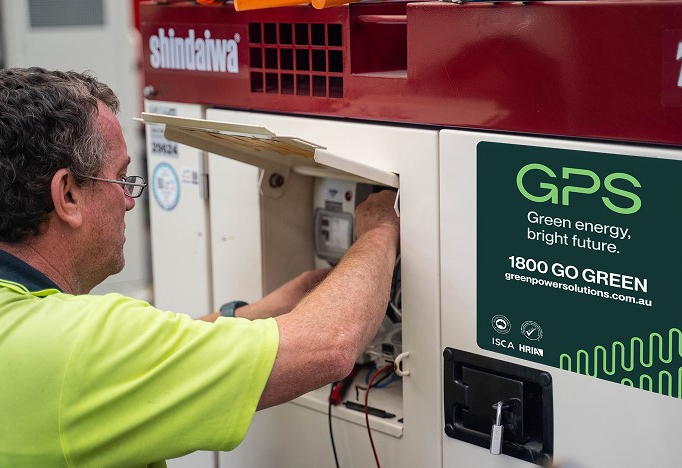
The majority of generator failures are preventable, with fuel system issues and battery failures being the leading causes of unexpected downtime. Failures can be extremely costly for Australian businesses. Prevention involves simple, systematic maintenance tailored to Australia’s harsh climate zones.
- Top 3 Failures:Fuel System (28%), Battery (22%), Coolant System (18%).
- Prevention ROI:Proactive maintenance offers a significant return on investment by preventing catastrophic engine damage.
- Australian Focus:Maintenance protocols must adapt to Tropical North humidity and Arid Interior dust.
The 6 Most Common Causes of Generator Failure (And How to Prevent Them)
Generator failure causes can devastate project timelines and budgets. Imagine this: It’s 2 AM during a summer storm, grid power fails, and your construction site’s backup generator refuses to start. Your crew arrives at 6 AM expecting work. You’re facing significant lost productivity, equipment downtime, and contractual penalties, all because of a simple battery that should’ve been replaced three months ago.
The average unplanned generator failure can be extremely costly for Australian businesses when including emergency repairs, site downtime, and lost productivity. Yet, 78% of generator failures are entirely preventable through proper generator maintenance and monitoring.
Drawing on Green Power Solutions’ analysis of over 10,000 Australian generator service records and two decades of field experience across mining, construction, and critical infrastructure sectors, we’ve identified the six most common failures.
1. Fuel System Issues (28% of Failures)
Fuel system problems cause 28% of generator breakdowns—more than any other single issue. This is the silent killer of generator reliability.
- Why Fuel Systems Fail:Water contamination tops the list. Australian temperature swings create condensation inside fuel tanks. In humid northern Australia, moisture accumulates rapidly. Once water is present, microbial growth follows. Diesel stored beyond six months without treatment breeds algae and bacteria, forming sludge that clogs filters and damages injectors. Fuel degradation also accelerates in Australian heat.
- Prevention Strategies:Test fuel quarterly. Add stabilisers for fuel stored over three months. Install self-bunded tanks with daily drainage inspection points. Replace fuel filters every 500 hours or annually. Use fuel polishing systems for long-term storage.
- Cost Comparison:Preventive fuel management is a minor annual expense, but fuel system failure repair is a major expense.
2. Battery Failure (22% of Failures)
Dead batteries account for 22% of generator failures—the most frustrating because they’re entirely preventable.
- Why Batteries Fail:Heat is the primary killer in Australia. Battery lifespan varies dramatically by climate zone, lasting only 2–3 years in the Tropical North compared to 4–5 years in temperate areas. Sulfation occurs when batteries sit discharged, permanently reducing capacity. Corrosion on terminals creates electrical resistance, preventing proper charging.
- Prevention Strategies:Load test batteries every six months. Clean terminals quarterly with a wire brush and anti-corrosion compound. Replace batteries proactively every 3–4 years, depending on your climate zone. Check resting voltage monthly (should be 12.6V+ for 12V systems).
- Cost Comparison:Proactive replacement is a manageable, predictable cost. An emergency failure can be several times more expensive, especially with after-hours callout fees.
3. Coolant System Problems (18% of Failures)
Coolant system failures cause 18% of breakdowns and carry the highest damage risk. Overheating can destroy engines, requiring catastrophic engine rebuilds.
- Why Coolant Systems Fail:Leaks develop from hose deterioration and radiator corrosion. Radiator blockage—endemic in dusty Australian conditions—reduces airflow. Coolant degrades faster than most operators realise. Anti-corrosion additives deplete over time, and acidic coolant accelerates internal corrosion.
- Prevention Strategies:Test coolant annually for pH. Replace coolant every two years or 2,000 hours. Clean radiators monthly in dusty environments. Pressure test the system annually to identify small leaks before they become critical.
- Cost Comparison:Annual coolant system maintenance is a standard operational cost. System failure repair is significantly more expensive, and catastrophic engine damage is extremely costly.
4. Air Filter Blockage (14% of Failures)
Air filter failures represent 14% of breakdowns, but this percentage spikes dramatically in dusty Australian environments. Clogged filters cause permanent engine damage.
- Why Air Filters Fail:Dust accumulation is uniquely severe in Australia. Bushfire smoke deposits fine carbon particles that clog filters in days rather than months. Excessive restriction causes power loss and can lead to costly turbocharger repairs. The worst case is filter collapse, allowing unfiltered abrasive particles into the engine.
- Prevention Strategies:Weekly visual inspection in dusty environments. Replace filters every 250 hours or six months in dusty conditions. Install pre-cleaners for extreme dust exposure. Never attempt to “clean” and reuse disposable paper filters.
- Cost Comparison:Air filter replacement is a minor expense. Engine damage from blockage can be costly, and turbocharger damage is even more so. The calculation is simple: filters are cheap, engines are expensive.
5. Oil System Failures (12% of Failures)
Oil system failures account for 12% of breakdowns but carry high repair costs.
- Why Oil Systems Fail:Low oil level from consumption, leaks, or simply not checking the dipstick regularly. Oil degradation accelerates in Australian heat (40°C+). Oil pressure problems signal inadequate lubrication, which leads directly to bearing failure.
- Prevention Strategies:Oil change every 500 hours or annually (whichever is first). Check oil level weekly. Oil analysis every 1,000 hours detects issues 500–2,000 hours before failure. Consider synthetic oils for extreme heat applications.
- Cost Comparison:A regular oil change service is a minor cost. Annual oil maintenance is a predictable expense, while oil system failure repair is a major cost. An engine rebuild is one of the most expensive outcomes.
6. Control Panel & Electrical Failures (6% of Failures)
Electrical and control panel failures represent 6% of breakdowns but can be among the most difficult to diagnose.
- Why Electrical Systems Fail:Environmental damage from moisture ingress, extreme heat, and dust. Rodents seeking shelter can gnaw through wiring. Corrosion on connections creates resistance and voltage drops, causing sophisticated electronic controls to fail.
- Prevention Strategies:Check weatherproof enclosure integrity (maintain IP54 minimum rating). Test auto-start function monthly. Annually tighten all connections and apply dielectric grease. Install panel cooling fans for extreme heat environments.
- Cost Comparison:Annual control panel maintenance is a minor cost. A control panel repair is significantly more expensive, and a complete panel replacement is a major capital expense.
The Hidden Failure: Wet Stacking (Light-Load Operation)
A common but often misunderstood problem is “wet stacking.” This occurs when a diesel generator is consistently run on a light load (less than 30% of its capacity) or not run at all.
- Why It Happens:The engine doesn’t reach its optimal operating temperature, so the diesel fuel doesn’t burn completely. This unburnt fuel and carbon soot build up inside the engine, coating the exhaust, injectors, and turbocharger.
- The Damage:This sludge reduces efficiency, increases fuel consumption, and can cause significant engine wear, clogged piston rings, and complete engine seizure.
- The Solution:The only effective antidote is to run the generator under a sufficient load. A regular load bank testing program is the professional standard for preventing wet stacking. It forces the engine to its proper temperature, burning off the accumulated deposits and ensuring it runs reliably for years to come.
Australian Climate Adaptations
Generator maintenance isn’t one-size-fits-all. Australia’s dramatic climate variations demand regional adaptation:
- Tropical North (Darwin, Cairns):High humidity accelerates corrosion and fuel microbial growth. Battery lifespan is only 2–3 years. Marine-grade corrosion protection is essential.
- Arid Interior (Alice Springs, Kalgoorlie):Extreme heat and severe dust. Air filters require 3–4x more frequent replacement. Synthetic oils and oversized cooling systems are highly recommended.
- Temperate South (Melbourne, Adelaide):Moderate but variable. Seasonal protocols prevent most failures. Battery warmers are needed for alpine locations.
- Subtropical East (Brisbane, Gold Coast):High humidity promotes fuel microbial growth and electrical corrosion. Enhanced weatherproofing is required for control panels.
Schedule Your Free Generator Reliability Assessment
Comprehensive preventive maintenance is a predictable annual investment. By contrast, an unplanned failure costs significantly more. By addressing these failure causes, you’ll achieve a 78% reduction in unplanned downtime and a significant return on investment.
Green Power Solutions provides comprehensive generator maintenance services across Australia, with particular expertise in extreme climate conditions. Our technicians understand the unique challenges Australian environments create.
We offer customised maintenance programmes tailored to your climate zone, industry requirements, and operational criticality. From routine servicing to emergency repairs, predictive maintenance systems to complete fleet management, we ensure your generators operate reliably when you need them.
Schedule Your Free Assessment Now or call 1800 464 7336 (24/7 emergency support available).