
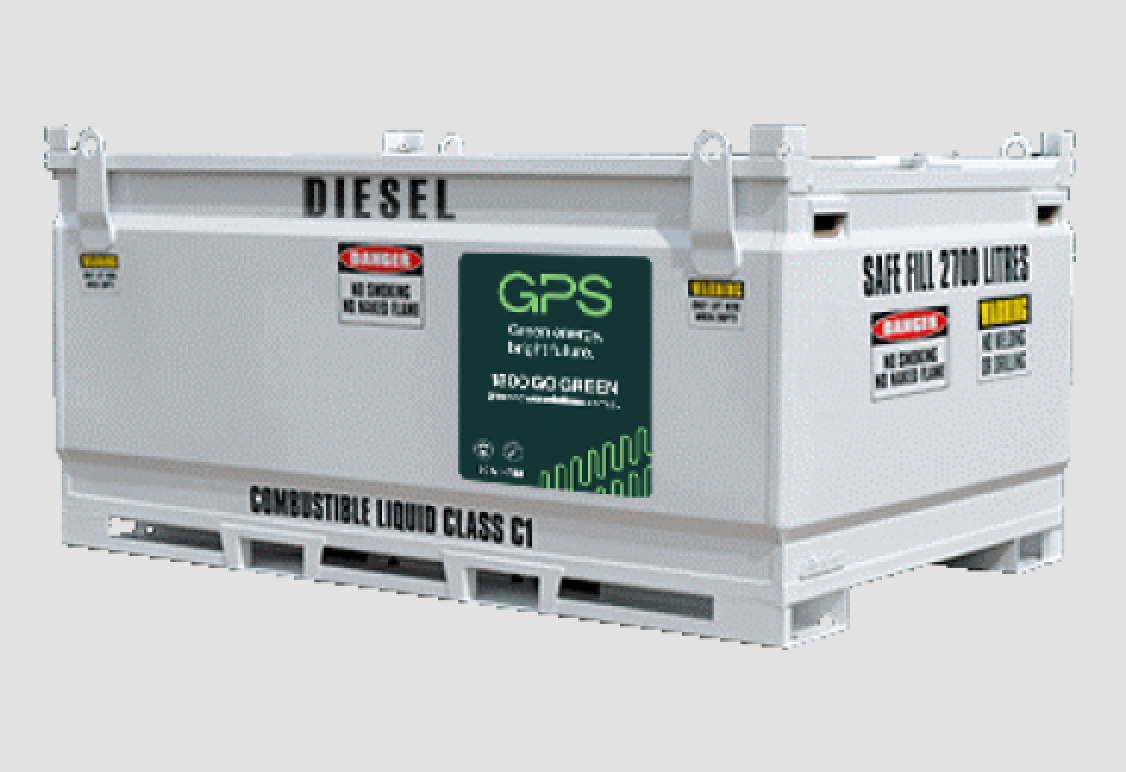
Preventing fuel contamination in your generator storage tank is crucial for reliability. Water, sediment, and microbes are the main culprits, causing over 25% of generator failures.
- Implement Strict Water Management:Regularly drain water from tanks and use desiccant breathers to minimise condensation.
- Follow Testing Protocols:Conduct regular fuel testing (quarterly for high-risk systems) using methods like ATP testing and lab analysis to detect issues early.
- Maintain Storage Best Practices:Keep tanks full, use quality suppliers, rotate fuel regularly, and consider fuel polishing systems to maintain fuel integrity.
Generator reliability isn’t just important; it’s often critical for Australian operations like mining sites, construction projects, data centres, and hospitals. When the main power fails, or you’re operating off-grid, generator performance simply can’t be compromised. Yet, a silent threat often undermines this reliability across many facilities – contaminated fuel.
Shockingly, over 25% of generator breakdowns aren’t due to mechanical failure but bad fuel. It’s a preventable issue but frequently overlooked, leading to costly downtime and repairs. For operations where failure means severe consequences, understanding and preventing fuel contamination isn’t just good practice; it’s an operational necessity.
This guide dives into the sources, impacts, and prevention strategies for fuel contamination in generator storage tanks, providing practical insights for Australian industrial operations.
Understanding Common Contaminants
Fuel contamination isn’t a single problem but a trio of threats that degrade fuel quality and damage your equipment.
Water
Water is arguably the biggest single cause of fuel problems in diesel systems. It gets into tanks in several ways:
- Atmospheric condensation Daily temperature swings cause moisture to condense inside tanks.
- Rainwater penetration Damaged seals or poorly maintained vents let rain in.
- Hygroscopic absorption Biodiesel blends naturally attract and absorb moisture from the air.
- Delivery contamination Fuel might already contain water from the supplier.
Once water settles at the tank bottom, it causes multiple issues. It provides a breeding ground for microbes, accelerates tank corrosion, can freeze and block lines in colder regions, and causes serious combustion problems. Remember, diesel quality can degrade within just a month, with six months being the recommended maximum storage time even under ideal conditions – water drastically speeds this up.
Sediment and Particulate Contamination
Solid particles are another major headache. These come from various sources:
- Rust and corrosion from the tank itself.
- Byproducts of fuel breaking down over time.
- Dirt and debris entering during delivery or through vents.
Sediment acts like sandpaper in your fuel system, clogging filters, eroding delicate injector components, wearing out fuel pumps, and generally disrupting smooth operation.
Microbial Contamination or The ‘Diesel Bug’
Often called the ‘diesel bug’, microbial contamination (bacteria and fungi) is perhaps the most damaging threat. These tiny organisms thrive at the water-fuel interface, especially in Australian temperatures (10°C to 40°C), feeding off the fuel itself (biodiesel is particularly nutritious for them). They multiply rapidly, especially in fuel stored for long periods, like in backup generators.
The consequences are severe:
- Slimy biofilms clog fuel lines and filters.
- Acidic byproducts accelerate corrosion.
- Fuel quality degrades rapidly.
- Complete generator failure becomes a real risk.
Impact on Generator Performance and Reliability
Fuel contamination isn’t just a minor nuisance; it directly impacts your generator’s ability to perform when you need it most.
Immediate Performance Degradation
You’ll often notice immediate signs that something is wrong:
- Reduced Power Output Water and particles interfere with proper fuel atomisation, leading to reduced power, difficulty handling loads, and unstable voltage or frequency. Microbial growth alone can slash fuel efficiency by up to 25%.
- Combustion Problems Symptoms include rough or irregular running, excessive smoke, starting difficulties (especially in cold weather), poor throttle response, and engine misfiring.
Progressive Equipment Damage
The long-term effects are even more concerning, significantly shortening equipment lifespan:
- Fuel System Deterioration Injectors get fouled with microbial slime, fuel pumps wear out faster, filters need constant replacement, and fuel lines corrode from acidic microbial byproducts.
- Engine Internal Damage Abrasive particles wear down cylinder liners, piston rings degrade affecting compression, valves get damaged by carbon deposits, and poor combustion can even dilute lubricating oil, compromising bearings.
Economic Consequences
The financial fallout from fuel contamination can be substantial:
- Direct Costs Emergency repairs, component replacements, contaminated fuel disposal, new fuel purchase, and potentially costly tank cleaning services add up quickly.
- Indirect Business Impact Operational downtime, loss of productivity, potential contract penalties, damage to your reputation, possible regulatory issues, and even insurance complications can dwarf the direct repair costs.
Regular fuel sampling is not an optional extra; it’s essential maintenance. Fuel quality is directly linked to performance, and contamination is a major, yet preventable, operational risk.
Best Practices for Fuel Storage Tank Management
Preventing contamination starts with managing your fuel storage tanks effectively.
Tank Design and Installation
Getting the setup right from the start helps enormously:
- Location Position tanks on impermeable surfaces, ideally shaded to reduce temperature fluctuations and condensation. Ensure easy access for maintenance and sampling. Slope the area for water drainage.
- Tank Configuration Use tanks with corrosion-resistant internal coatings. Ensure they have bottom drainage points to remove water and sediment easily. Design fill pipes correctly and draw fuel from slightly above the tank bottom to avoid stirring up sediment.
- Ventilation Fit vents with desiccant breathers to absorb incoming moisture and fine mesh screens to keep dirt out.
Operational Best Practices
Daily and routine management is key to keeping fuel clean:
- Water Management This is critical. Controlling water buildup is the key to preventing microbial growth. Check for and drain water regularly (weekly or monthly, more often in humid conditions). Use water-finding paste on dipsticks. Keeping tanks relatively full (above 3/4) minimises condensation by reducing airspace.
- Fuel Rotation Don’t let fuel sit for too long. Regular generator testing (e.g., monthly) helps cycle fuel. Top up tanks strategically to maintain fuel freshness.
- Quality Control Use certified fuel suppliers known for quality management. Inspect fuel visually upon delivery. Use filtration during filling. Keep good records.
Preventative Maintenance Schedules
A structured maintenance plan is vital:
- Monthly Visually inspect a fuel sample, drain water, check the tank exterior, clean vents/breathers.
- Quarterly Conduct comprehensive fuel testing (especially for high-risk systems), inspect filters, check tank foundations.
- Annually (or as needed) Consider internal tank inspection, professional cleaning, component checks, and fuel polishing. Regular tank cleaning prevents the buildup that causes bigger issues later.
Fuel Testing Methods and Monitoring Protocols
You can’t manage what you don’t measure. Systematic fuel testing provides early warning signs before major damage occurs.
Testing Frequency Standards
Guidelines exist, particularly for critical systems. NFPA 110 requires annual fuel quality testing using ASTM standards for emergency backup generators. However, a risk-based approach is often better:
- High-Risk (Quarterly Testing) Backup systems used infrequently, tanks with a history of issues, biodiesel blends, sites in tropical/humid climates.
- Standard-Risk (Semi-Annual Testing) Generators run monthly, tanks in climate-controlled areas, modern storage systems.
- Lower-Risk (Annual Testing) Frequently used generators, premium fuel, new well-maintained tanks.
Regular testing is estimated to prevent around 80% of potential fuel-related problems.
Laboratory Analysis Methods
Comprehensive lab tests assess fuel against key standards. Key tests include:
- Water Content (e.g., ASTM D2709) Measures water concentration, indicating microbial risk. Aim for under 50 PPM ideally.
- Microbial Testing (e.g., ASTM D6469) Detects bacteria and fungi, guiding biocide treatment needs.
- Particulate Contamination (e.g., ASTM D6217) Quantifies solid debris, assessing risks to filters and injectors.
- Oxidative Stability (e.g., ASTM D2274) Measures resistance to degradation, indicating fuel age and storage life.
Other tests assess cetane number, viscosity, acidity, and cold weather properties.
Sample Collection Collect samples that represent the fuel the generator actually uses, typically from multiple points including the crucial tank bottom. Use clean, dedicated containers and document everything.
On-Site Visual Inspection Methods
Quick visual checks can provide immediate clues:
- Look at the fuel in a clear jar. Is it clear and bright, light amber in colour? Or is it dark, cloudy, or hazy?
- Check for water Let the sample settle. Do you see distinct water layers at the bottom?
- Look for sediment Are there visible particles or sludge?
- Signs of microbes Dark, coffee ground-like material or slimy strands strongly suggest biological growth requiring immediate action.
Advanced Monitoring Technologies
- ATP Testing Adenosine Triphosphate (ATP) testing provides a rapid, quantifiable measure of microbial activity, often available in field kits. It’s particularly valuable for mission-critical systems.
- Automated Tank Monitoring Modern systems can include sensors for real-time water detection, temperature tracking, and remote fuel level monitoring.
Filtration Systems and Contamination Removal Technologies
If contamination is detected, you need strategies to remove it and restore fuel quality.
Filtration Technologies
- Standard Filters All diesel systems have basic inline filters (primary and secondary) and water separators to catch larger particles and water droplets. However, these can quickly become overwhelmed by significant contamination.
- Fuel Polishing Systems These are dedicated systems that circulate fuel from your storage tank through a series of advanced filters and separators to remove water, particles, and microbial biomass. They effectively clean large volumes of fuel without needing disposal, extend fuel life, and reduce the load on engine filters. This can be done as a preventative measure (every 6-12 months) or a corrective one.
Biocide Treatment Programmes
Biocides are chemicals specifically designed to kill microbes (bacteria and fungi) in fuel. Filtration alone often can’t eliminate an established microbial infestation.
- Shock Treatment Used for existing, heavy contamination. A high dose of biocide is added to kill the microbes. This usually requires a contact time of 24-48 hours and should be followed by fuel polishing to remove the dead microbial matter.
- Preventative Treatment Regular, lower-dose treatments to prevent microbial growth from starting, especially in high-risk tanks. The frequency depends on testing results and risk factors.
Choose biocides carefully based on fuel type, material compatibility, and regulatory approval.
Tank Cleaning Services
Sometimes, contamination is so severe (heavy sediment, extensive biomass coating the tank walls, severe corrosion) that professional tank cleaning is necessary. This typically involves:
- Removing the fuel.
- Manually removing sludge and biomass.
- High-pressure washing the tank interior.
- Inspecting the tank structure.
- Drying and potentially applying protective coatings.
- Safely returning cleaned fuel or new fuel.
Prevention vs Cure A Cost-Benefit Analysis
Preventative fuel quality management might seem like an expense, but it pales in comparison to the potential costs of failure.
- Preventative Annual Costs Inspections, fuel testing, maybe preventative polishing – perhaps $5,000 to $10,500 annually for a typical industrial setup.
- Remediation Costs (Per Incident) Generator repairs ($15k-$50k+), tank cleaning ($5k-$15k), fuel disposal ($3k-$8k), replacement fuel ($5k-$20k), plus the huge potential cost of operational downtime ($10k to $500k+ depending on the operation). Total potential costs? Easily $38,000 to over half a million dollars for a single contamination event.
For mission-critical applications, the economic case for proactive, preventative fuel management is overwhelming.
Systematic Fuel Management is Operational Insurance
Generator reliability hinges on the quality of the fuel you put in it. With contaminated fuel causing a staggering 25% of generator failures, effective fuel quality management isn’t optional for critical Australian operations – it’s essential.
Dirty or degraded fuel is a common, yet entirely preventable, cause of generator failure. Effective prevention demands a systematic approach:
- Understanding the sources: water, sediment, and microbes.
- Implementing best practices for storage.
- Following regular, risk-based testing protocols.
- Using appropriate remediation like polishing and biocides when needed.
The Australian climate often creates ideal conditions for fuel contamination. A comprehensive management program isn’t just about avoiding costs; it actively delivers:
- Maximised generator uptime.
- Extended equipment lifespan.
- Reduced overall maintenance costs.
- Operational confidence and peace of mind.
- Easier regulatory compliance.
For any operation relying on generator power, think of systematic fuel quality management as vital operational insurance.
About Green Power Solutions
Green Power Solutions provides reliable industrial generator systems and comprehensive fuel quality management services tailored for Australian critical infrastructure, mining, and construction sectors. We help ensure your power stays on by keeping your fuel clean.
Contact us today to discuss customised fuel quality management solutions that protect your generator investment and guarantee operational reliability.