
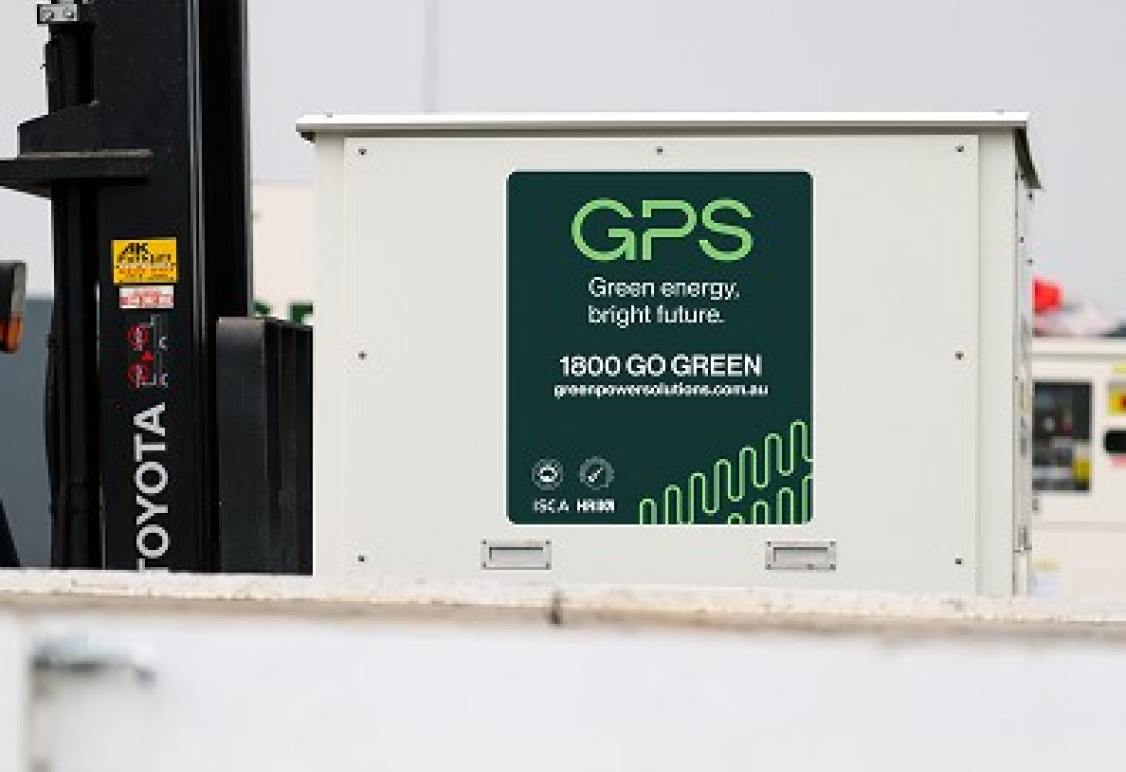
For Australian businesses in construction, mining, and events, maintaining reliable on-site power is non-negotiable. For decades, diesel generators have been the default choice. However, volatile fuel prices, increasing environmental regulations, and corporate sustainability mandates are creating significant financial and compliance risks.
The transition to sustainable fuels is no longer a distant goal. It is a critical strategic priority. This comprehensive guide provides a technical overview of seven proven biofuel types suitable for Australian industry. We will explore their environmental benefits, generator compatibility, and local availability to help you build a robust business case for switching your generator fleet to cleaner, more efficient power.
An Overview of Biofuels in Australia
Australia’s biofuel landscape offers several options for powering generators, each suited to different applications and operational scales. The most established options are Biodiesel, which can be used as a drop-in replacement in standard diesel engines, and Bioethanol, an alcohol-based fuel that requires specialised spark-ignition engines. For larger, site-specific operations, Biogas (from organic waste) and Biomass (from wood or agricultural residue) provide powerful, sustainable energy but require significant investment in dedicated generator plants. Niche options like Straight Vegetable Oil (SVO) are also used, though they require engine conversion kits, while advanced fuels like Algae Fuel remain in the pre-commercial stage.
What’s the Best Biofuel for Your Generator?
For most Australian businesses that need a reliable, cost-effective, and immediate way to reduce emissions, Biodiesel is the best choice.
While there are several sustainable fuel options available, including Bioethanol, Biogas, and Biomass, Biodiesel stands out. It can be used in most standard diesel generators with no engine modifications. This makes the switch quick and avoids major upfront costs. With good availability in major hubs, it is the most practical first step towards sustainable on-site power.
A Detailed Analysis of 7 Sustainable Generator Fuel Types
1. Biodiesel
Biodiesel is a renewable, clean-burning diesel replacement made from a mix of vegetable oils, animal fats, or recycled cooking grease. It is most commonly supplied in blends with conventional diesel. B20, a blend of 20% biodiesel and 80% fossil diesel, is a popular choice, while B100 is pure biodiesel.
Australian Availability
Biodiesel is one of the most accessible biofuels in Australia, with established production and supply chains in major hubs like Sydney, Melbourne, and Brisbane. This makes it a reliable choice for projects in and around metropolitan areas.
Generator Compatibility
This is biodiesel’s key advantage. Blends up to B20 can typically be used in standard diesel generators with no engine modifications required. Higher blends (like B100) may require minor upgrades to seals and fuel lines to ensure long-term performance.
Advantages
- Significant Emissions Reduction:B100 biodiesel can slash net CO2 emissions by up to 85% compared to conventional diesel.
- Seamless Transition:Using B20 blends requires little to no upfront cost or operational change.
- Improved Engine Health:Biodiesel has superior lubricating properties, which can help extend engine life and reduce maintenance.
- Proven Performance:It is a well-established fuel with a track record of reliability in demanding industrial applications.
2. Bioethanol
Bioethanol is an alcohol-based fuel produced by fermenting sugars from crops like sugarcane, corn, or wheat. It is often blended with petrol for use in vehicles but can also be used in specially modified generators.
Australian Availability
Australia has a mature bioethanol industry, primarily driven by the E10 fuel mandate in states like New South Wales and Queensland. Availability for generator use is less common than biodiesel but can be sourced through specialist suppliers.
Generator Compatibility
Bioethanol cannot be used in standard diesel generators. It requires spark-ignition engines, similar to those that run on petrol or LPG. Therefore, a complete generator replacement is necessary.
Advantages
- Extremely Low Emissions:This fuel burns very cleanly, producing minimal particulate matter, carbon monoxide, or sulphur oxides.
- High Octane Rating:It offers excellent engine performance in compatible units.
- Locally Produced:Sourced from Australian agriculture, supporting local farmers.
3. Biogas
Biogas is produced from the anaerobic digestion of organic waste, such as agricultural slurry, food scraps, and sewage. This process captures methane that would otherwise escape into the atmosphere, turning a potent greenhouse gas into a valuable fuel.
Australian Availability
Biogas production is typically localised to the source of the waste. It is most viable for sites with a consistent organic waste stream, like large farms, food processing plants, or landfill sites.
Generator Compatibility
Running on biogas requires a specific gas generator or a retrofitted diesel generator (a dual-fuel conversion). The fuel needs to be cleaned and processed before use to prevent engine damage.
Advantages
- Circular Economy:Turns a waste disposal problem into an energy source, reducing costs and environmental impact.
- On-Site Fuel Production:Offers complete energy independence for qualifying businesses.
- Carbon Negative Potential:Capturing methane makes biogas a powerful tool for reducing overall greenhouse gas emissions.
4. Wood Pellets & Biomass
Biomass refers to using organic material like wood pellets, wood chips, or agricultural crop residue to produce energy. The material is typically burned in a boiler to create steam, which then drives a turbine generator.
Australian Availability
Sustainably sourced wood pellets and chips are available across Australia, particularly in regions with strong forestry and agricultural industries.
Generator Compatibility
This is not a fuel for standard engine generators. It requires a complete biomass gasification plant or a steam turbine system, representing a significant capital investment.
Advantages
- Base Load Power:Biomass systems can provide consistent, 24/7 power.
- Utilises Waste Products:Can use waste from industries like forestry, creating additional value.
- Low-Cost Fuel:The raw fuel material can be very cost-effective if sourced locally.
5. Straight Vegetable Oil (SVO)
As the name suggests, this is pure vegetable oil, such as canola or sunflower oil, that has not been processed into biodiesel. It is often sourced as used cooking oil from restaurants.
Australian Availability
The main source is used cooking oil from the hospitality sector. Supply can be inconsistent and depends on building a local collection network.
Generator Compatibility
SVO cannot be used directly in a standard diesel engine. It is much thicker than diesel and requires a dedicated conversion kit that pre-heats the oil to reduce its viscosity. Without this, it will damage the engine’s fuel injectors and pumps.
Advantages
- Extremely Low Cost:Used cooking oil can often be sourced for free, making the fuel cost minimal.
- Recycling:It diverts a waste product from landfill.
6. Algae Fuel
Algae fuel is a third-generation biofuel derived from specially cultivated microalgae. These organisms can be grown in ponds or bioreactors and produce oil that can be refined into a direct replacement for diesel.
Australian Availability
Currently, algae fuel is in the pre-commercial or pilot stage in Australia. It is not yet available as a bulk fuel for industrial generator use, but several research projects are underway.
Generator Compatibility
Once refined, algae-based diesel is expected to be a “drop-in” fuel, fully compatible with existing diesel engines without any need for modification.
Advantages
- High Yield, Low Footprint:Algae can produce significantly more oil per acre than traditional crops and can be grown on non-arable land.
- Uses Waste CO2:Algae consumes CO2 to grow, meaning production facilities can be paired with power plants to capture carbon.
7. Waste Oils
This category includes various waste oils, such as used engine lubricants or hydraulic fluids, that have been filtered and processed. They can be refined into a fuel suitable for industrial use.
Australian Availability
Availability is limited to specialised recycling and waste management companies. The quality and consistency of the fuel can vary significantly.
Generator Compatibility
Requires generators specifically designed or modified to handle lower-grade, variable-quality fuels. Using it in a standard diesel generator is not recommended.
Advantages
- Environmental Benefit:Provides a responsible disposal route for hazardous waste materials.
- Low Fuel Cost:The input material is a waste product, resulting in a low-cost final fuel.
Biofuel Comparison Matrix
| Biofuel Type | Carbon Reduction (Avg) | Generator Compatibility | Australian Availability |
| Biodiesel (B20) | 15-20% | Excellent: No mods needed | Good (Major Cities) |
| Bioethanol | 60-70% | Poor: Requires new petrol engine | Moderate |
| Biogas | >100% (Methane Capture) | Poor: Requires gas generator | Site Specific |
| Biomass | 90% | Poor: Requires turbine plant | Moderate (Regional) |
| SVO | 80% | Poor: Requires conversion kit | Inconsistent |
| Algae Fuel | >90% | Excellent: Drop-in fuel | Future / Pre-Commercial |
| Waste Oils | 70-80% | Poor: Requires special engine | Niche / Specialist |
Making the Right Choice for Your Site
Choosing the right biofuel depends on your site’s location, power requirements, and operational setup. For most Australian businesses needing reliable, temporary power with a reduced environmental impact, biodiesel offers the most practical and immediate solution. Its compatibility with existing diesel generators makes the transition quick, easy, and cost-effective.
For operations with access to a specific waste stream, biogas can offer unparalleled long-term benefits and energy independence. As technology evolves, advanced options like algae fuel will become viable, but today, proven solutions are already delivering value.
Your Fuel Choice A Sustainability Statement, Not Just a Line Item
Choosing between the different types of biofuels is a significant operational decision, but it is also a major strategic opportunity. When you select the right sustainable fuel, you are not just powering a generator. You are building a foundation for environmental compliance, demonstrating corporate responsibility, and securing a competitive advantage in an evolving market.
Ready to build a smarter, greener, and more resilient power strategy? Contact our specialists today. We will help you navigate the options in this guide and design a solution that fuels your success for years to come.