
Imagine the lights flickering and dying in a hospital’s intensive care unit. Picture a major online retailer’s website going dark on its busiest sales day. These scenarios, though disruptive, are often preventable. The cause is frequently a catastrophic failure of backup power systems that were thought to be reliable. Backup power systems, like generators and uninterruptible power supplies (UPS), exist to ensure continuity during utility power failures.
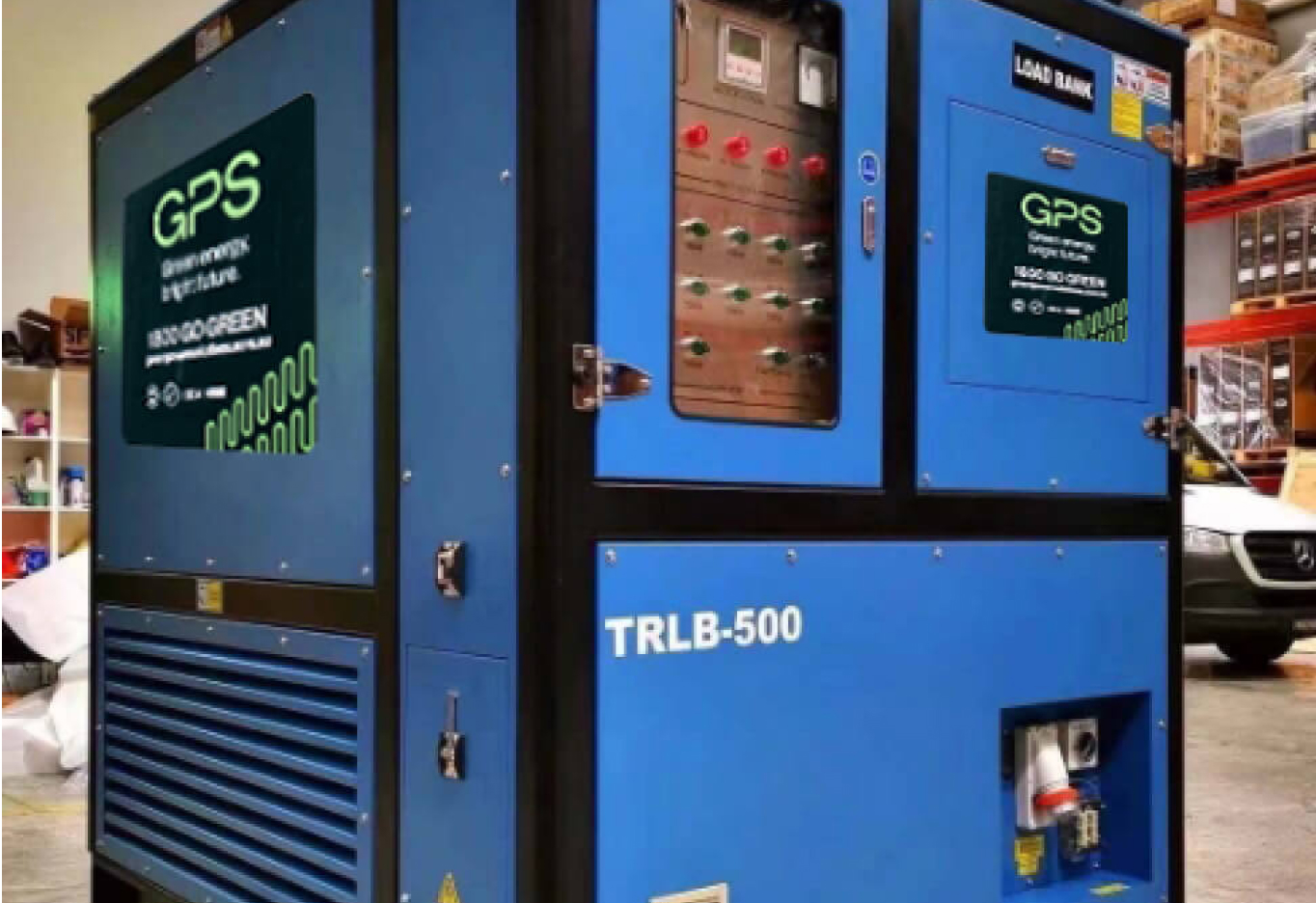
This is where the unsung hero of electrical reliability comes in the industrial load bank. A load bank is a device that develops an electrical load, applies it to a power source, and converts or dissipates the resultant power output. In simple terms, it mimics the real-world operational stress a power system would face, allowing for controlled testing without risking live systems. This testing is not just a technical exercise. It is a critical investment in operational resilience.
Key Applications of Load Banks at a Glance
Load banks are vital across numerous industries for ensuring power system reliability. In mission-critical facilities like data centres, they are used for commissioning and routine maintenance to prevent costly downtime, while in healthcare, they ensure patient safety and regulatory compliance by verifying backup generator performance. Their use extends to specialised sectors such as marine and offshore operations for testing ship generators, aerospace for validating ground power units, and defence and telecommunications to guarantee constant, reliable power. Beyond verifying performance, regular load bank testing also enhances equipment longevity by preventing conditions like ‘wet stacking’ in diesel generators, a process that burns off harmful fuel deposits and extends the operational life of the equipment.
What is a Load Bank?
An industrial load bank is a device used to test power sources, like generators and UPS systems, by mimicking real-world electrical loads in a controlled environment. This ensures backup power systems are reliable. Key applications are found in mission-critical industries such as data centres (for commissioning and maintenance), healthcare (to ensure patient safety and meet compliance), marine and offshore operations (to test ship generators), and in the defence, aerospace, and telecommunications sectors to guarantee constant, reliable power.
Load Bank Applications in Data Centres
For a data centre, downtime is not an option. With studies showing that outages can cost thousands of pounds per minute, the reliability of the power supply chain is paramount. The critical components of a data centre’s power infrastructure, from generators and UPS systems to cooling equipment, undergo rigorous, integrated testing with load banks. Key applications include:
- Commissioning New Facilities. Before a new data centre goes live, every part of its power system is tested at full capacity. This is known as Level 4 and Level 5 commissioning, proving the system can handle its maximum designed load under real-world conditions.
- Routine Maintenance and Validation. Regular testing of UPS systems and backup generators ensures they will perform as expected during an actual power outage. It verifies battery autonomy and generator capacity.
- Upgrade and Expansion Testing. When new servers are added or systems are upgraded, load banks are used to safely test the new total load, ensuring the existing infrastructure can support the expansion.
Load Bank Applications in Healthcare
In healthcare, consistent power is directly linked to patient safety. Life-support systems, surgical suites, and critical monitoring equipment all depend on an unfailing power supply. Strict regulatory bodies mandate the regular testing of hospital backup generators to ensure they meet required safety standards. Common uses in this sector are:
- Compliance Testing. Hospitals must regularly test their backup generators under load to comply with strict regulations and prove their emergency power systems are in working order.
- Preventing Wet Stacking. Diesel generators that run for long periods under light loads can suffer from “wet stacking,” a condition where unburnt fuel builds up in the exhaust system. Regular testing with a load bank allows the generator to run at its optimal temperature, burning off these deposits and extending its life.
Load Bank Applications in Marine and Offshore Operations
For the marine and offshore industry, power systems are the heart of the vessel. They power propulsion, navigation, and all onboard operations. On an oil rig or a container ship, these systems are self-contained islands of power where failure is not an option. Load banks are crucial for:
- Testing Ship GeneratorsRegular testing of main and emergency generators ensures they can handle the full electrical load of the vessel, from engine rooms to crew quarters.
- Commissioning Shore Power SystemsWhen in port, ships connect to shore power. Load banks are used to test these connection points to ensure they can supply stable power without issue.
Applications in Defence, Aerospace, and Communications
Military and Defence
On military bases and in forward-operating zones, reliable power is a matter of national security. Load banks are used to test everything from backup power for command centres to the tactical generators that power field equipment, ensuring readiness for any mission.
Aerospace
The aerospace industry uses load banks to test Ground Power Units (GPUs). These are the devices that supply power to an aircraft while it is on the ground, and their reliability is essential for pre-flight checks and maintenance.
Telecommunications
From mobile phone towers to network data hubs, the telecommunications industry relies on constant power. Load banks are used to test the backup battery systems and generators that keep our communication networks online during a grid failure.
A Proactive Approach to Power Reliability
The common thread across all these applications is proactivity. Load banks are not just for fixing problems. They allow industries to identify and correct weaknesses in their power systems proactively. By simulating real-world demands in a controlled environment, they provide the ultimate assurance that when the power goes out, the backup systems will perform exactly as they are designed to.
Let’s Discuss Your Power System’s Reliability
Concerned about wet stacking or generator reliability? Don’t wait for a failure to find out. Contact our experts to discuss a preventative load bank testing plan for your critical systems.