
Hybrid Lighting
A Comprehensive Guide to Professional Lighting Tower Solutions in Australia
Navigating the lighting requirements for a large-scale construction site, a major public event, or a remote industrial operation can feel like a complex puzzle. Getting it wrong doesn’t just risk project delays. Poor lighting can impact safety, reduce productivity, and lead to compliance headaches. This guide is designed to solve that puzzle. We will walk you through everything you need to know about professional lighting towers in Australia, from the foundational technology to strategic implementation and future trends.
You will learn how to develop a comprehensive lighting strategy that not only illuminates your site but also enhances safety, boosts efficiency, and ensures you meet all regulatory standards. We will cover the core components of modern LED lighting towers, outline a strategic framework for planning your site’s lighting, and provide tactical advice for implementation, including how to select the right equipment for construction, events, or industrial applications. By the end of this guide, you will have the knowledge to create a safe, productive, and compliant environment for any project.What are Professional Lighting Towers?
What's On This Page
The Foundation of Modern Mobile Lighting
The Foundation of Modern Mobile Lighting
Effective site lighting is a non-negotiable component of modern project management in Australia. It directly influences site safety, operational uptime, and overall project efficiency. The traditional approach of using older, inefficient lighting often results in significant drawbacks, including high fuel costs, frequent maintenance, and inadequate illumination, which can compromise safety and productivity. In fact, research indicates that insufficient lighting can be a contributing factor in a significant number of construction site accidents and may reduce nighttime productivity by up to 35%.
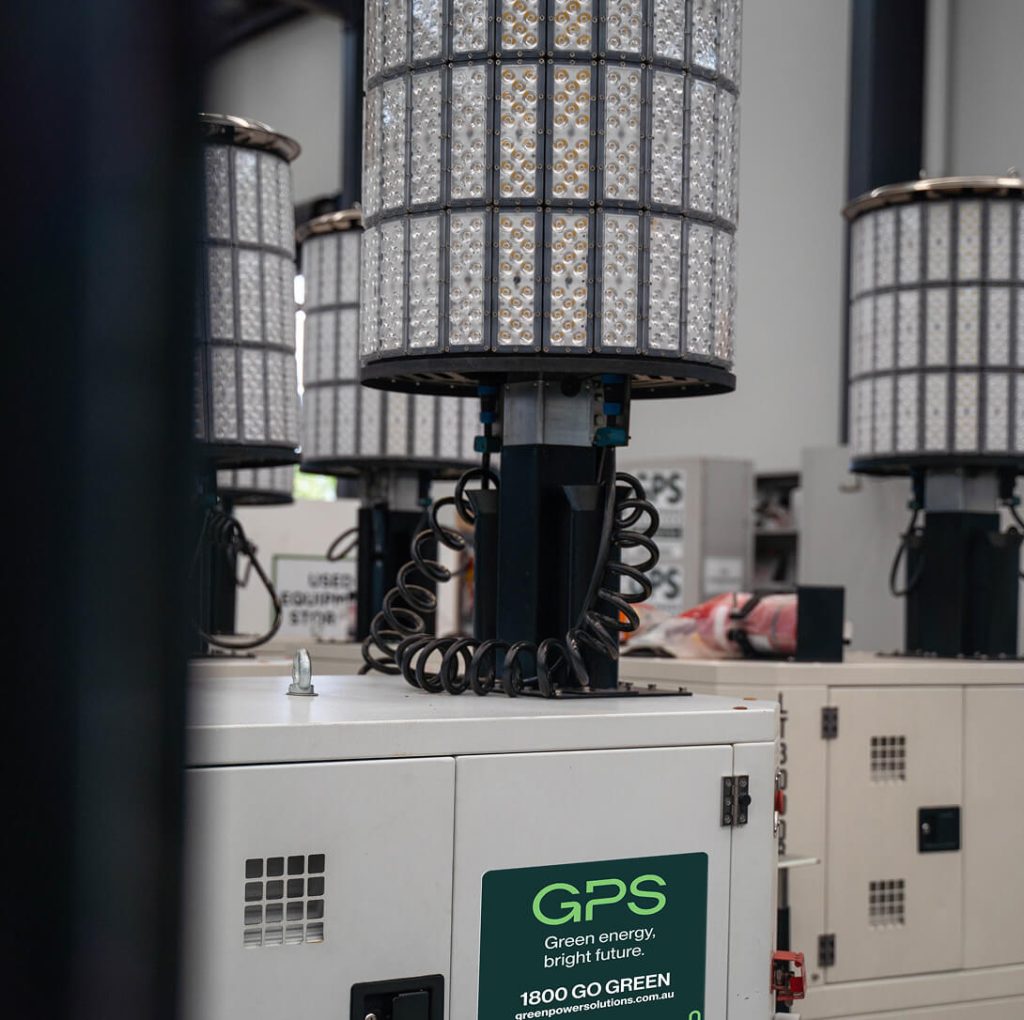
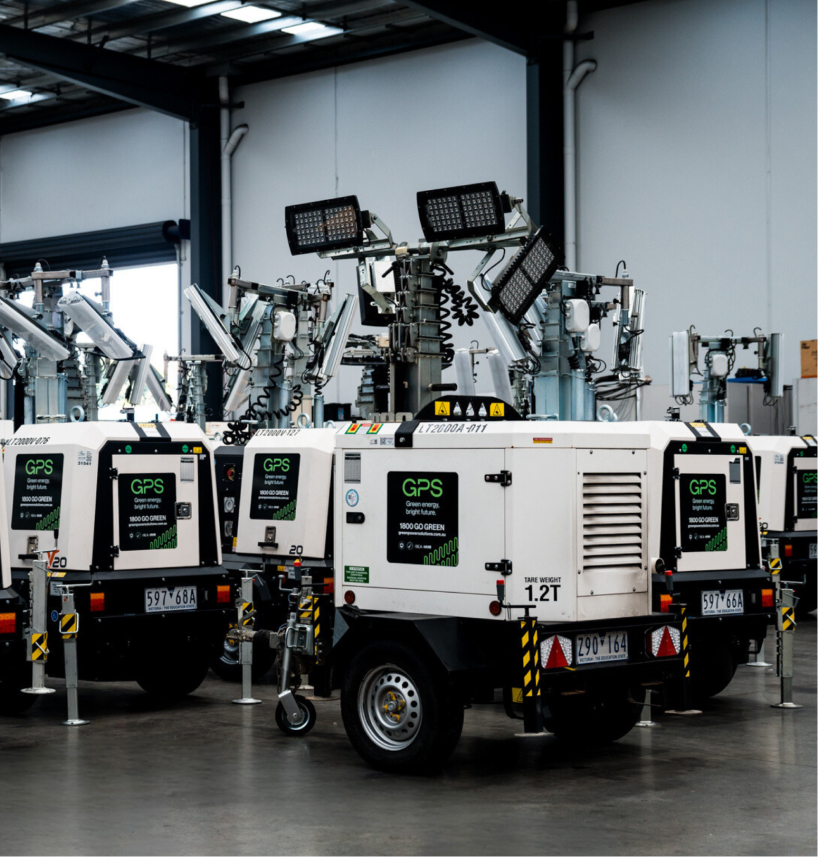
The evolution of mobile lighting technology, particularly the shift to high-efficiency Light Emitting Diodes (LEDs), has fundamentally changed the landscape. Modern professional lighting towers offer a powerful, reliable, and cost-effective solution that addresses the shortcomings of older systems. These units are not just light sources. They are fully integrated power solutions designed to withstand Australia’s toughest conditions while adhering to strict environmental and safety regulations. Understanding the core technology, the governing standards, and the key benefits is the first step toward developing a truly effective site lighting strategy.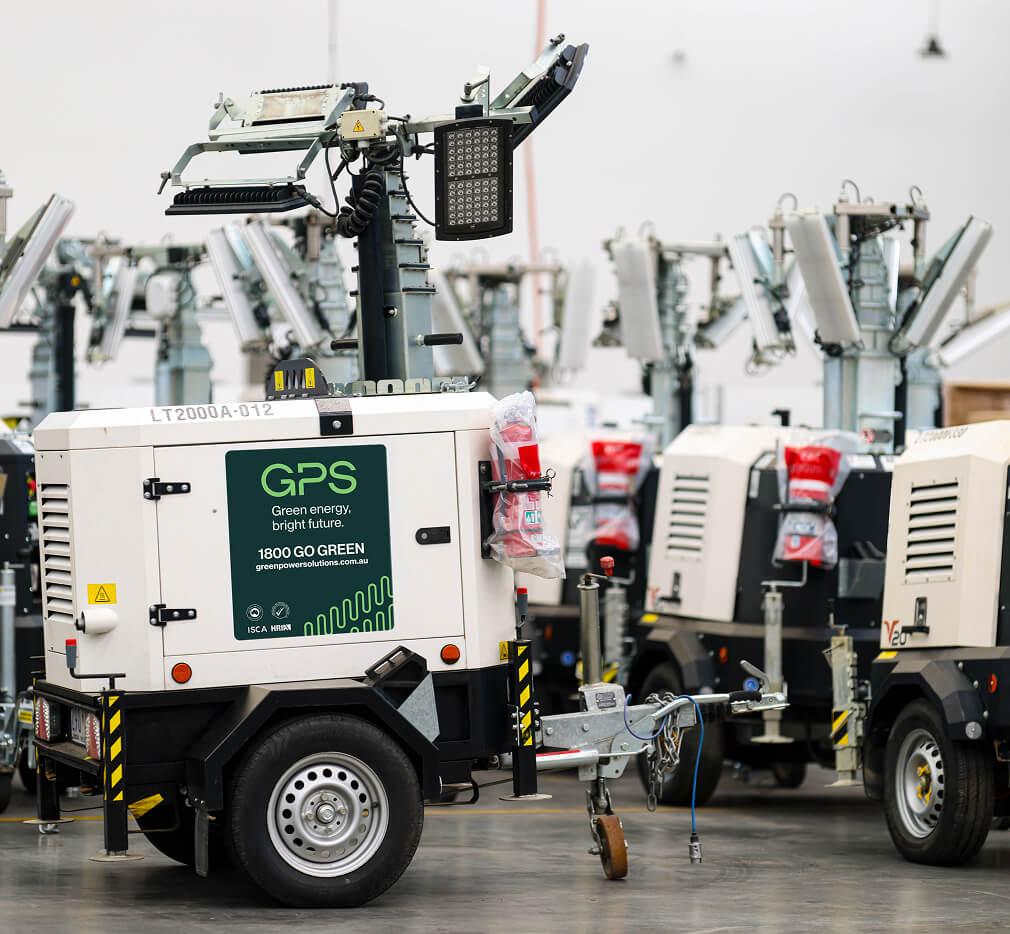
Core Technology LED vs Traditional Lighting
The heart of a modern lighting tower is its illumination technology. The move from traditional metal halide lamps to advanced LED arrays has been a game-changer for the industry.
Energy Efficiency
LED technology is significantly more efficient. An LED lighting tower can reduce fuel consumption by up to 50% compared to a traditional unit providing the same level of light. This translates directly to lower operational costs and a reduced carbon footprint.
Lifespan and Reliability
High-quality LEDs have an operational life of 30,000 hours or more. This dramatically reduces the need for maintenance and bulb replacements, ensuring consistent and reliable performance on site.
Light Quality
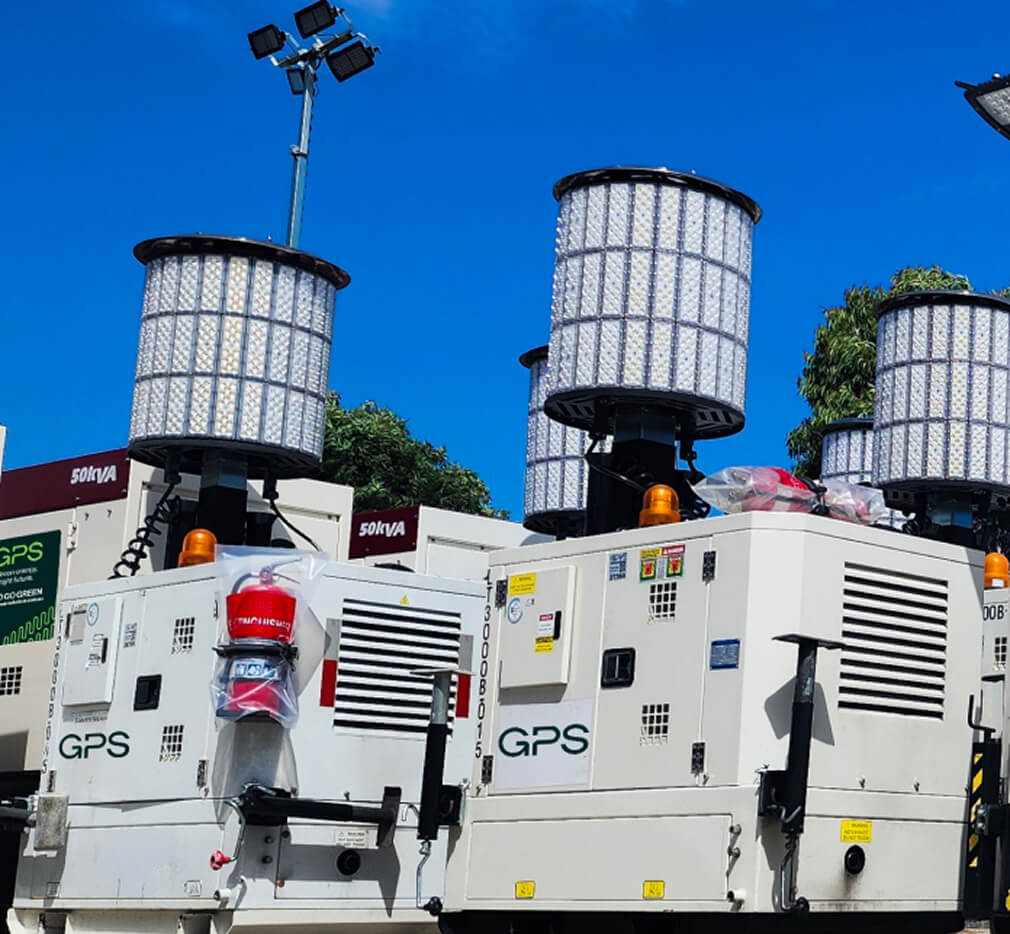
LEDs produce a clean, bright, and consistent light that closely mimics natural daylight. This improves visibility and reduces eye strain for workers, leading to a safer and more productive environment. Professional optics can distribute this light evenly over areas as large as 5,000m².
Durability
Key Australian Standards and Compliance
Operating safely and legally in Australia requires adherence to a number of key standards. A professional lighting tower solution must be compliant with these regulations to ensure the safety of your team and the public.
AS/NZS 3000:2018 (The Wiring Rules)
This standard governs electrical installations, ensuring all wiring and electrical components are safe and correctly installed.
AS/NZS 1680.1:2006
This outlines the minimum illumination levels required for interior and workplace lighting to ensure safety and visibility.
Work Health and Safety (WHS) Regulations 2011
These regulations mandate that employers must provide adequate lighting to enable workers to carry out their tasks safely.
AS/NZS 2107:2016 (Acoustics)
For projects in or near residential areas, this standard sets recommended sound levels. Modern lighting towers can operate as quietly as 58dB, ensuring compliance with local noise restrictions.
IP65 Rating (AS/NZS 60529:2004)
A Strategic Framework for Site Illumination
A Strategic Framework for Site Illumination
Deploying lighting towers is more than just placing lights around a site. A strategic approach ensures you achieve optimal coverage, maximum efficiency, and full compliance, ultimately contributing to your project’s success. This involves a thorough assessment of your needs, a clear understanding of your operational goals, and a plan that integrates lighting into your overall project management. A well-defined strategy prevents common issues like dark spots, excessive glare, inefficient fuel use, and non-compliance with safety standards.
The first step is to conduct a comprehensive site assessment. You need to map out the entire operational area, identifying critical work zones, access routes, and potential hazards. Consider the specific tasks that will be performed at night or in low-light conditions and the corresponding illumination levels required. Your strategy should also account for the dynamic nature of many project sites. As a construction project progresses or an event layout is finalised, your lighting plan will need to adapt. A flexible, scalable solution is therefore essential. Finally, integrating your lighting plan with other power and fuel management services creates a seamless and efficient ecosystem. Thinking about fuel storage, generator sizing, and maintenance schedules from the outset prevents logistical challenges
Conducting a Professional Site Lighting Assessment
Before you hire a single piece of equipment, a detailed site assessment is crucial. This process forms the foundation of your lighting strategy and ensures you select the right solution for your specific needs.
Start by mapping out the exact areas that require illumination. For a construction site, this might include excavation pits, scaffolding structures, material laydown areas, and site offices. For an event, it could be car parks, pathways, stages, and vendor stalls. Measure the total area in square metres to determine the number and type of towers required. A single industrial tower can cover up to 5,000m².
Different tasks require different levels of light. Detailed mechanical work will need brighter, more focused illumination than a general access pathway. Referencing Australian Standards (like AS/NZS 1680.1:2006) will help you define the required lux levels for each specific task area to ensure both safety and productivity.
Consider the physical layout of your site. Are there significant elevation changes, obstacles, or restricted access points? This will influence the placement of towers and determine whether you need highly mobile, trailer-mounted units or more stationary, heavy-duty options.
Is your project located near a residential area? If so, noise levels will be a critical consideration, making whisper-quiet 58dB models a necessity. You should also assess the prevailing weather conditions. For sites in coastal or remote outback locations, equipment with a high IP rating (like IP65) for dust and water protection is essential.
Choosing the Right Equipment for Your Application
With a clear assessment of your needs, you can select the right type of lighting tower. The choice depends on a balance of power, mobility, runtime, and specific application features.
Construction Sites
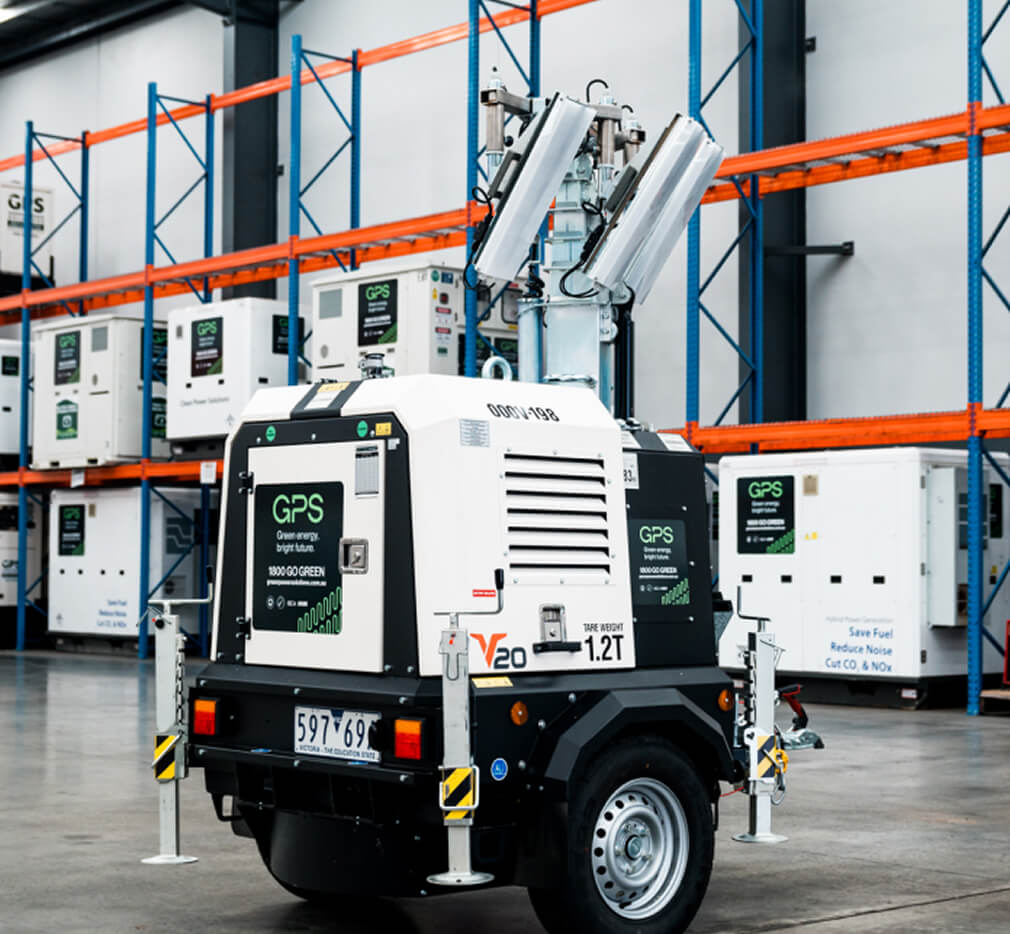
These environments demand robust, durable, and flexible solutions. Look for trailer-mounted towers with telescopic masts (extending to 9m) for broad coverage. Heavy-duty stabilisers and wind-resistant designs are critical for safety. Features like hydraulic mast deployment, allowing for a setup time of around five minutes, are ideal for dynamic sites where lighting needs to be repositioned frequently.
Events and Entertainment
For public events, aesthetics and noise levels are just as important as illumination. Low-noise models that operate at or below 58dB are essential to comply with noise ordinances and avoid disturbing patrons. A compact design is beneficial for tight venue spaces, and a clean, professional appearance helps the equipment blend into the event environment. Smart controls, such as remote dimming and anti-glare optics, can significantly enhance the attendee experience.
Industrial and Mining
Tactical Implementation and Operational Best Practices
Tactical Implementation and Operational Best Practices
With a solid strategy and the right equipment selected, the focus shifts to tactical implementation. This is where planning translates into action on the ground. Effective implementation is about more than just turning on the lights. It involves optimising the placement of each tower, managing fuel and power efficiently, and ensuring your team can operate the equipment safely and effectively. This hands-on phase is critical for maximising the return on your investment.
Proper setup is the first step. This includes positioning the towers for optimal light distribution while ensuring they are stable and secure. Operator training is equally important. Your site personnel should be fully briefed on safe operation, including mast deployment, electrical connections, and emergency procedures. Throughout the project, ongoing maintenance and support become key. A proactive approach to refuelling and servicing prevents unexpected downtime. Partnering with a provider that offers comprehensive support, including 24/7 technical assistance and rapid replacement services, provides a crucial safety net for critical operations. By focusing on these tactical details, you ensure your lighting solution performs reliably and safely from the first day of the project to the last.
Best Practices for Tower Placement and Setup
Where you place your lighting towers has a huge impact on their effectiveness. The goal is to create overlapping fields of light to eliminate shadows and dark spots, while also preventing glare that could be a hazard for workers or vehicle operators.
Overlap Illumination Zones
Position towers so that the light cones from adjacent units overlap. This ensures a consistent level of illumination across the entire work area and minimises shadows, which is critical for safety.
Optimise Mast Height
Adjust the telescopic mast to the optimal height for your coverage needs. A higher mast provides a wider spread of light but may be less intense. For focused task lighting, a lower mast height might be more effective. The maximum height is typically around 9 metres.
Consider Glare
Position lights so they are not pointing directly into the eyes of workers, equipment operators, or drivers on nearby roads. Angling the light heads downwards can help mitigate glare while still providing excellent ground coverage.
Ensure Stability
Always deploy the stabiliser legs on a firm, level surface. This is crucial for preventing the tower from becoming unstable, especially in high winds. Modern towers are designed to withstand significant wind loads, but only when set up correctly.
Plan Fuel Access
Integrating with Power, Fuel, and Maintenance Services
A lighting tower is part of a broader power ecosystem on your site. Integrating it with other services ensures seamless operation and efficiency.
Generator Sizing
Ensure the integrated diesel generator is correctly sized for the lighting load. An oversized generator will waste fuel, while an undersized one will be unable to power the lights effectively. Professional providers can perform a power assessment to match the generator (typically 6kVA to 20kVA) perfectly to your needs.
Fuel Management
For long-term projects, a scheduled fuel management service is essential. This eliminates the risk of running out of fuel at a critical moment and removes the logistical burden from your team. For projects with a focus on sustainability, consider pairing your lighting towers with biodiesel generator systems.
Preventive Maintenance
Regular maintenance is key to reliability. A good hire package should include scheduled servicing to check engine fluids, inspect electrical components, and test the lighting arrays. This proactive approach prevents breakdowns and ensures the equipment is always running at peak performance.
Remote Monitoring
Advanced Lighting Strategies and Future Trends
Advanced Lighting Strategies and Future Trends
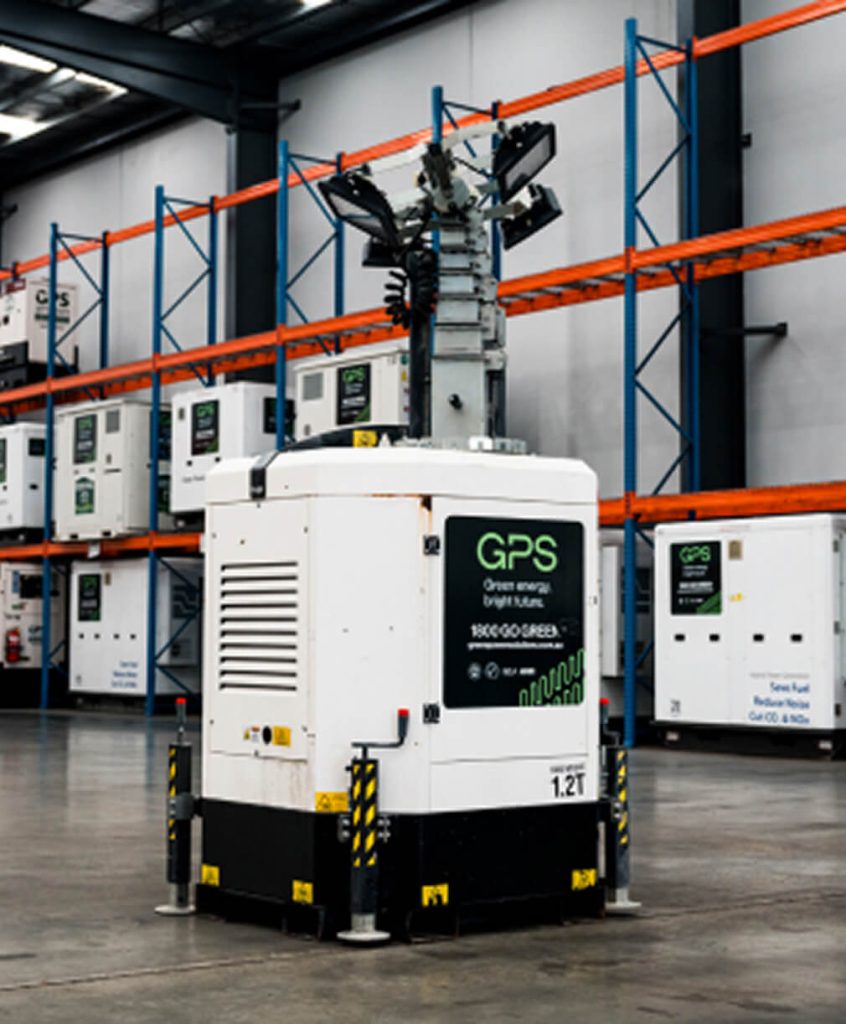
Once you have mastered the fundamentals, you can begin to explore more advanced strategies that further enhance efficiency, safety, and operational capability. This involves leveraging smart technologies, planning for complex scenarios, and staying ahead of emerging trends in the lighting and power industry. Advanced strategies are about moving from a reactive to a proactive approach, using data and technology to optimise performance and unlock new levels of value.
One of the most significant advancements is the integration of smart control systems. The ability to remotely monitor and control your lighting assets via a mobile app introduces a new level of flexibility and efficiency. Imagine being able to dim lights during non-critical periods to save fuel or receive automated alerts for maintenance issues, all from your site office or headquarters. Another key area is planning for extreme conditions. While standard professional towers are robust, projects in Australia’s harshest environments—from alpine regions in winter to remote mine sites in summer—require specialised solutions. This might include units with enhanced heating or cooling systems, or even explosion-proof models for hazardous industrial applications.
Looking forward, the industry continues to innovate, with a focus on greater energy efficiency, automation, and sustainable power sources. The development of hybrid lighting solutions that combine diesel generators with solar and battery storage is a prime example of this trend, offering reduced emissions and lower fuel costs for environmentally conscious projects.
Smart Controls and Remote Operation
The integration of smart technology is revolutionising site management. Modern lighting towers can be equipped with advanced control systems that offer significant benefits.
Remote Dimming and Scheduling
You can schedule lights to turn on, turn off, or dim at specific times, aligning with shift changes or operational hours. This simple step can lead to substantial fuel savings over the life of a project.
Mobile App Integration
Control your entire fleet of lighting towers from a single mobile application. This allows for real-time adjustments without needing to physically visit each unit, saving time and labour.
Performance Telemetry
Receive real-time data on fuel levels, engine hours, and potential faults directly to your device. This data-driven approach allows for proactive maintenance and efficient fuel management, preventing downtime and optimising resource allocation.
Automated Safety Features
Solutions for Extreme and Hazardous Environments
Australia is a continent of extremes, and many projects operate in conditions that push standard equipment to its limits. Specialised lighting towers are designed to meet these challenges.
Extreme Temperature Operation:
For projects in the outback or alpine regions, look for towers specifically rated for extreme temperatures (e.g., -15°C to +50°C). These units feature block heaters for reliable starting in sub-zero conditions and enhanced cooling systems to prevent overheating in extreme heat.
Mining and Industrial Specifications
Mine sites require equipment built to the highest standards of durability. Mining-spec towers feature heavy-duty frames, advanced dust protection with sealed components, and extended-range fuel tanks for continuous operation over multiple shifts (150+ hours).
Hazardous Area (ATEX) Certification
For applications in oil and gas, refineries, or any environment with an explosive atmosphere, ATEX-certified lighting towers are mandatory. These units are designed with explosion-proof components to ensure safe operation in the most critical conditions.
Remote and Off-Grid Logistics
Measuring Success and Optimising Your Lighting Solution
Measuring Success and Optimising Your Lighting Solution
To truly manage your site’s lighting effectively, you need to measure its performance. A data-driven approach allows you to move beyond simply providing light and start actively optimising for cost, safety, and productivity. By tracking the right Key Performance Indicators (KPIs), you can quantify the value of your lighting strategy, identify areas for improvement, and make informed decisions that benefit your bottom line and your project outcomes.
The most direct metrics relate to cost and efficiency. Tracking fuel consumption against operating hours allows you to calculate the real-world efficiency of your setup and identify opportunities for savings, such as implementing scheduled dimming. Safety metrics are equally crucial. Monitoring the number of near misses or safety incidents in illuminated areas, particularly during night shifts, can provide a clear indication of your lighting’s effectiveness. Productivity KPIs, such as the volume of material moved or tasks completed during night shifts, can demonstrate a direct link between quality illumination and project progress. By establishing a baseline and tracking these metrics over time, you can continuously refine your approach, ensuring your lighting solution is always delivering the maximum possible value.
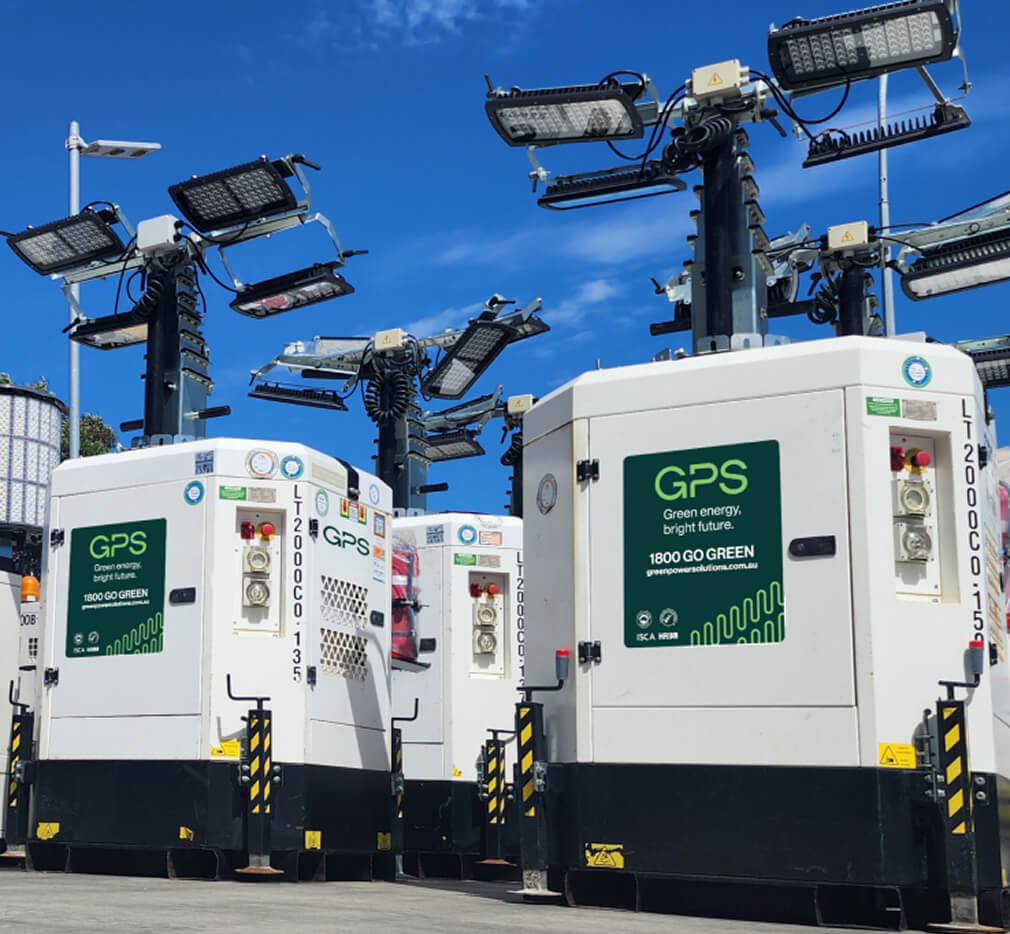
Key Performance Indicators for Lighting Effectiveness
To measure the success of your lighting strategy, focus on a few key areas that connect directly to project goals.
Fuel Efficiency
Track the litres of fuel consumed per hour of operation. This KPI allows you to benchmark the efficiency of different generator and LED combinations and quantify the savings from using modern, fuel-efficient technology.
Operational Uptime
Monitor the percentage of time your lighting towers are fully operational when required. This is a critical measure of equipment reliability and the effectiveness of your maintenance programme. A professional provider should be able to guarantee a high uptime percentage.
Safety Incident Rate
Correlate your safety data with lighting conditions. A reduction in slips, trips, falls, or other incidents during night shifts or in low-light conditions is a powerful indicator of an effective lighting plan.
Night Shift Productivity
Measure the output of your night shifts against your day shifts. While many factors influence this, consistent and high-quality lighting is a key enabler of productivity. An increase in tasks completed or targets met during night operations can be a strong ROI indicator.
Cost Per Square Metre Illuminated
Resources
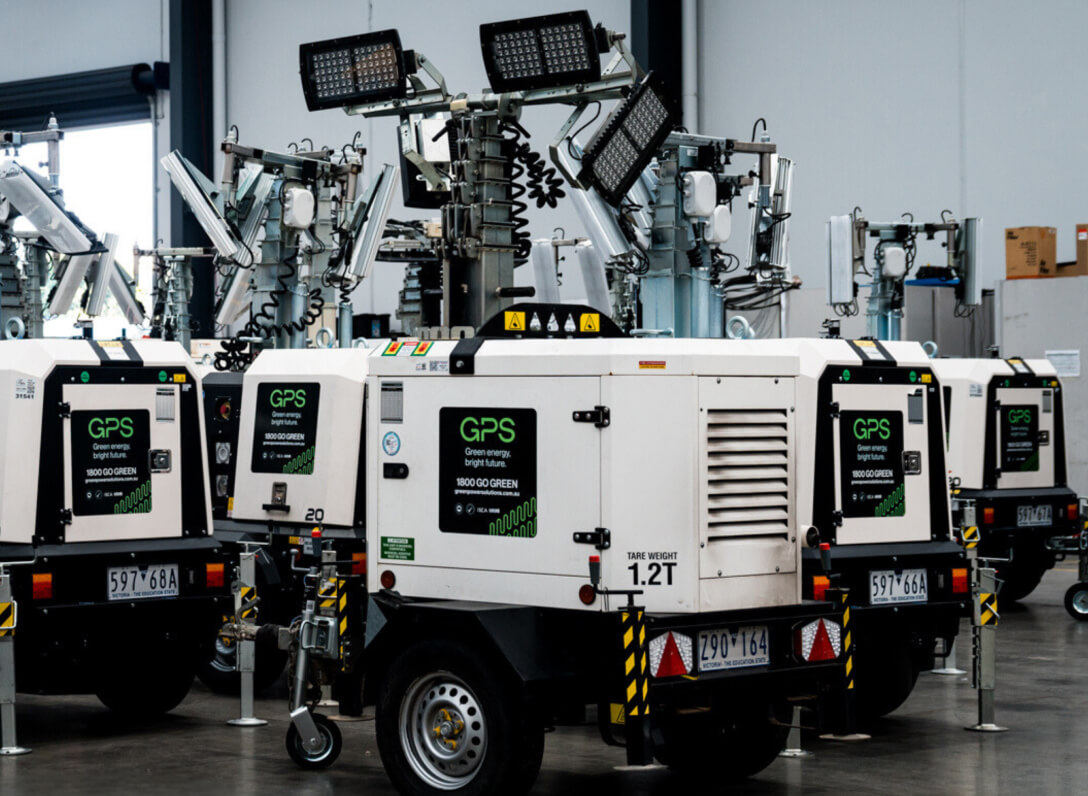
Planning power for an Australian summer festival requires balancing technical load calculations with strict safety regulations and heat management strategies. Calculate loads precisely.You must use a verified equipment inventory...
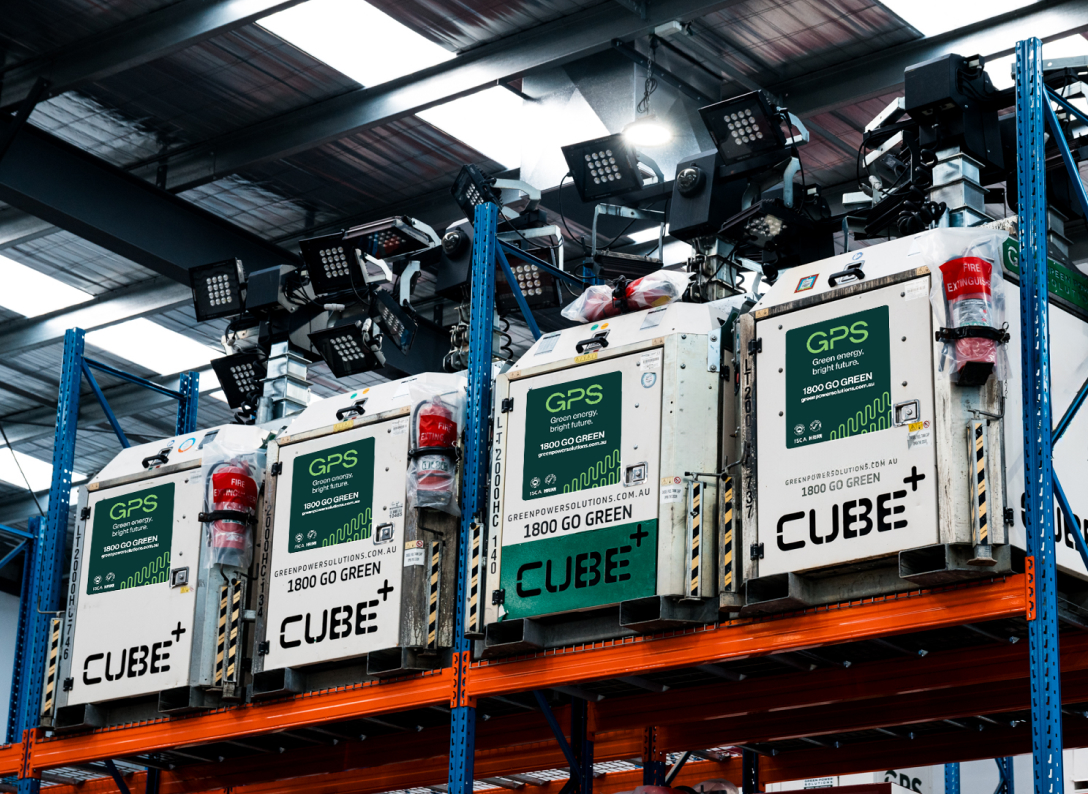
For any project, from a large construction site to a major outdoor event, having the right lighting is critical for safety, security, and productivity. But planning for temporary lighting...
Lighting is a critical aspect of any business, impacting everything from productivity and employee well-being to energy costs and environmental footprint. Traditional lighting systems often consume significant power, require...