
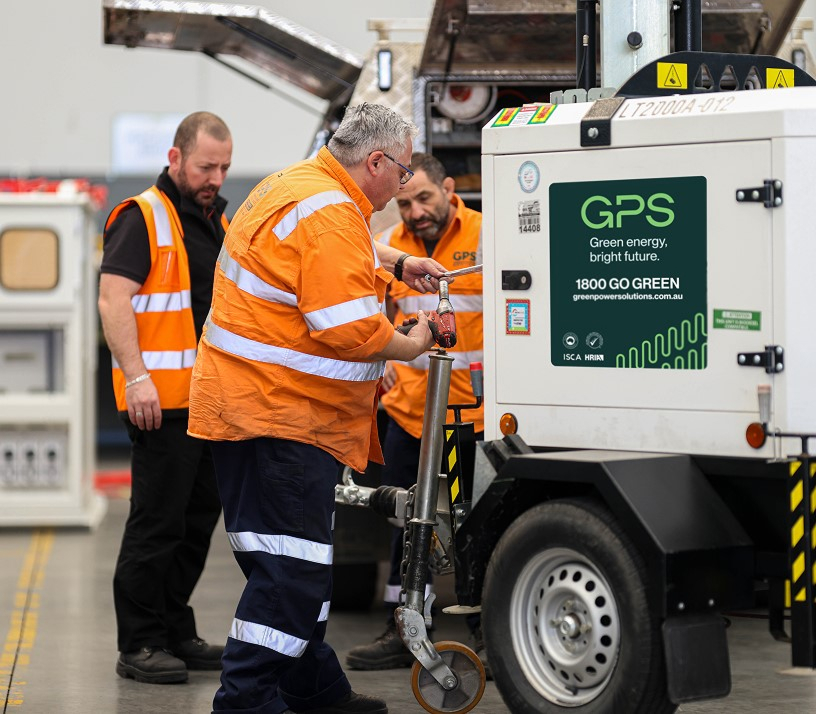
Smart load bank testing validates a generator’s ability to handle full operational loads by simulating real-world electrical demands in a controlled environment.
- Prevents wet stacking by bringing the engine to optimal temperature and burning off harmful fuel deposits.
- Verifies true capacity ensuring the system can sustain the specific voltage and frequency required by your facility.
- Detects hidden faults in cooling, fuel, or control systems before they cause catastrophic failure during an emergency.
The power goes out. For a moment, everything stops. Then, the familiar hum of the backup generator kicks in, and the lights flicker back to life.
It is a scenario that facilities across every industry rely on.
But here is the critical question. Will your generator just start, or will it handle the full electrical load demanded of it during a prolonged outage?
The difference between a simple start-up and proven performance is where smart load bank testing comes in. It is the most definitive way to truly validate that your generator is not just a piece of equipment but a reliable lifeline when you need it most.
The Critical Role of Generator Load Testing
A generator that sits idle or only runs under light loads is a generator at risk.
Without regular and rigorous exercise, its performance can degrade significantly. Load bank testing is a proactive maintenance procedure that applies a simulated, controlled electrical load to a generator. This forces it to work at its rated capacity in a safe environment.
Here is why comprehensive load bank testing is non-negotiable for critical power systems.
Combating Wet Stacking
When a diesel generator operates for extended periods under a light load, unburned fuel and carbon can accumulate in the exhaust system.
This condition is known as wet stacking. It significantly reduces efficiency and can lead to severe engine damage. It even poses a fire hazard.
Load bank testing brings the engine to its optimal operating temperature. This effectively burns off these harmful deposits and maintains the system’s cleanliness and efficiency.
Verifying True Capacity and Performance
A generator might start perfectly. But can it sustain the required voltage and frequency once the full load of your facility is applied?
Load bank testing rigorously verifies the generator’s ability to perform to its nameplate specifications. This covers everything from the engine’s horsepower to the alternator’s output.
This ensures it can truly deliver when it matters most.
Early Detection of Potential Issues
The test intentionally puts every component of the power system under stress.
This controlled stress reveals hidden weaknesses in the engine, cooling system, fuel lines, or control systems. You can identify these faults before they lead to a catastrophic failure during a real emergency.
For instance, we recently helped a data centre avoid a major outage by pinpointing a subtle flaw during a routine load bank test that would have otherwise gone unnoticed. Proactive identification saves time and money while preventing operational disruption.
Ensuring Regulatory Compliance
For many facilities such as hospitals, data centres, and government buildings, regular load bank testing is not merely recommended. It is a mandatory requirement to meet stringent codes set by bodies like the National Fire Protection Association (NFPA) and other local Australian regulations.
Matching Load Banks to Generators
Choosing the right load bank is paramount for a meaningful and accurate test. Sizing isn’t just about matching numbers. It involves understanding the generator’s specific capabilities and the precise goals of the test.
An improperly sized load bank can lead to inaccurate results or even damage.
Here are the key factors to consider for proper load bank sizing.
Generator kW Rating
The primary metric is the generator’s kilowatt (kW) rating.
A general rule of thumb is to test a generator at a minimum of 75-80% of its standby kW rating for a sustained period. The load bank you select must have sufficient capacity to apply this required load.
Voltage and Phase Compatibility
The load bank must be fully compatible with the generator’s output voltage and phase. Using an incorrectly matched load bank is dangerous. It will also fail to produce valid and reliable test results.
Resistive vs Reactive Loads
Understanding the difference between these load types is essential for a complete assessment.
Resistive Load Banks are the most common and versatile type. They simulate common electrical loads like lighting and heating elements by converting electrical energy directly into heat. They are highly effective for testing the engine and cooling system. They are generally sufficient for most routine maintenance and wet stacking prevention.
Reactive Load Banks are designed to simulate inductive loads. These include loads from motors and transformers. This tests the generator’s full kilovolt-ampere (kVA) capacity. They are crucial for assessing the alternator’s ability to handle voltage regulation. They are essential for commissioning new systems or for facilities with a high proportion of motor loads.
Common Load Bank Testing Misconceptions
Several persistent myths surround generator testing. These often lead to a false sense of security or neglected maintenance.
Let us debunk the most common misconceptions to highlight the true value of load bank testing.
Myth 1
“A weekly 15-minute no-load start is sufficient for my generator.”
Reality
This is arguably one of the most dangerous misconceptions in generator maintenance. Running a generator with no load doesn’t verify its actual capacity under stress. Critically, it actively contributes to wet stacking. It is akin to warming up for a marathon by simply stretching your fingers. It provides no real preparation or performance assessment.
Myth 2
“Load bank testing will wear out my generator faster.”
Reality
The exact opposite is true. Generators are engineered to operate under load. Regular testing under controlled conditions is like a healthy workout for the engine. It keeps components clean and properly lubricated. This maintains peak operational condition and extends its operational life while preventing premature failure.
Myth 3
“It is an unnecessary expense that I can cut from my budget.”
Reality
The cost of a scheduled and professional load bank test is a tiny fraction of the potential cost of a business-crippling power failure. Consider the immense financial and reputational damage from lost data, interrupted operations, or compromised life-safety systems. Load bank testing is not an expense. It is a strategic investment in operational continuity and peace of mind.
What to Expect from a Professional Load Bank Test
A professional load bank test is a structured and data-driven process. It is meticulously executed to provide a comprehensive assessment of your generator’s health.
While specific details may vary slightly depending on the provider and generator type, a typical procedure includes these critical steps.
Safety First and Site Preparation
The process always begins with a thorough site inspection and the development of a comprehensive safety plan. This includes identifying safe cable routing, securing the test area, and ensuring all personnel are aware of safety protocols.
Setup and Secure Connection
Certified technicians meticulously connect the load bank to the generator’s output using heavy-gauge cables. All connections are double-checked and torqued to specification to verify secure and safe operation.
Pre-Test Inspection and Diagnostics
Before the test commences, the technician performs a detailed visual and diagnostic inspection of the generator. This includes checking critical fluid levels like oil and coolant. They also inspect belts and hoses to confirm the overall readiness of the unit.
The Controlled Test Execution
The generator is started. The electrical load is then applied in carefully calibrated steps.
Throughout the entire test duration, the technician continuously monitors and records critical operational parameters. These include voltage, frequency, amperage, oil pressure, coolant temperature, and exhaust temperature.
Cool-Down and Detailed Reporting
Once the full load test is complete, the load is removed. The generator then undergoes a controlled cool-down cycle.
Upon completion, the client receives a comprehensive report. This report includes all recorded data and confirms the test’s success. It highlights any anomalies or areas requiring attention and often provides recommendations for future maintenance.
Future of Load Bank Technology
Load bank technology is rapidly evolving beyond simple resistive units.
The future of load bank testing is smart, highly integrated, and rich with actionable data. It offers unprecedented levels of precision and efficiency.
Intelligent Digital Controls
Modern load banks are equipped with sophisticated digital controls that enable precise and automated test cycles. Technicians can programme specific load steps and complex load profiles. This perfectly mimics a facility’s real-world operational demands to provide a more accurate and relevant test.
Advanced Data Logging and Analytics
Moving beyond manual readings, smart load banks capture hundreds or even thousands of data points per second. This vast amount of information enables detailed trend analysis and predictive maintenance. It helps identify and address potential failures before they occur. This minimises downtime significantly.
Remote Monitoring and Control Capabilities
The integration of wireless technology allows technicians to monitor and control tests remotely from a laptop or tablet. This significantly increases safety by keeping personnel away from energised equipment. It also enhances efficiency by allowing for more flexible operations.
Regenerative Load Banks and The Green Revolution
An exciting and increasingly popular innovation is the regenerative load bank. This technology captures the electrical energy produced by the generator during the test and feeds it back into the facility’s grid. This “green” approach dramatically reduces fuel consumption and lowers emissions. It can even generate energy credits. This makes testing more sustainable and cost-effective which aligns with our commitment to sustainable power solutions.
Your Path to Reliable Generator Power
Your backup generator is your ultimate insurance policy against power failure.
But like any insurance, you need absolute certainty that it will pay out precisely when you need it most. Smart load bank testing is the most definitive way to validate that policy.
It transcends simple “pass/fail” indicators. It provides a deep and diagnostic health check of your entire emergency power system.
By proactively preventing wet stacking and rigorously verifying true capacity, you can transform your big generator from an unknown variable into a proven and reliable asset. This ensures maximum operational reliability and absolute peace of mind.
Take Action for Power Reliability
Don’t wait for an unexpected outage to discover a critical weakness in your power system.
Review your current generator maintenance schedule. Is comprehensive load bank testing a regular and integral part of it?
If you are ready to ensure your facility is truly prepared for any power disruption, contact a trusted power systems expert today. Discuss a tailored and smart testing strategy that meets your specific needs and guarantees your readiness.
Schedule your free assessment now for a complimentary consultation and discover how we can help you power your business or home sustainably!