
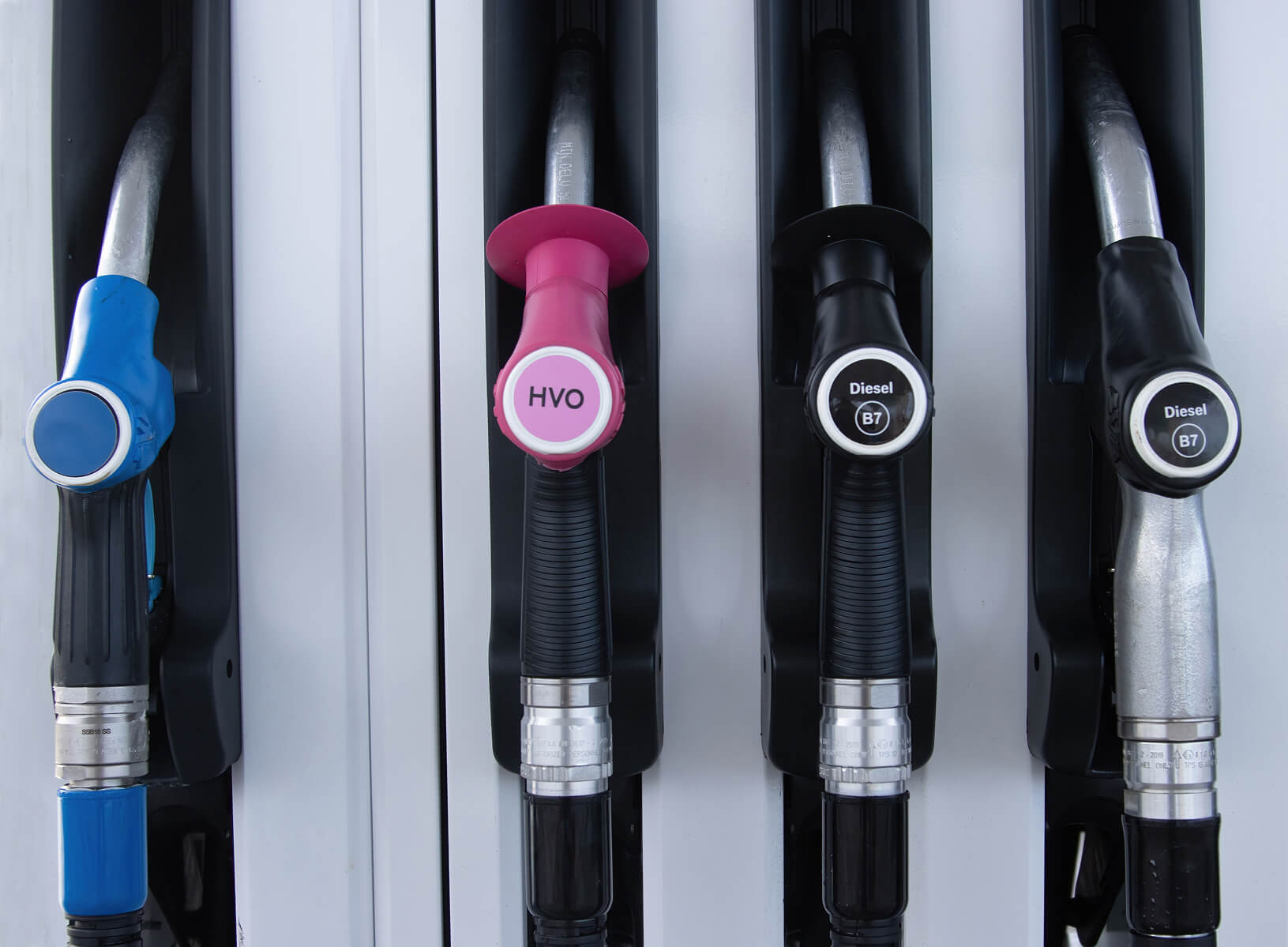
With industries across Australia looking for practical ways to reduce emissions without compromising on performance or reliability, Hydrotreated Vegetable Oil (HVO) fuel is quickly emerging as a serious alternative to conventional diesel. From construction sites and infrastructure projects through to events and remote operations, HVO offers a renewable option that’s cleaner-burning, capable of working with existing equipment – and all while supporting measurable sustainability goals.
At Green Power Solutions, we’re redefining the future of power and lighting solutions to achieve environmental responsibility. With HVO offering further solutions to the challenges so many of us face in our work environments, understanding how it fits best can help businesses to make informed decisions about their energy strategy.
What is HVO fuel?
One of the cleanest fuels available on the market, HVO is a renewable diesel that’s made by hydrotreating vegetable oils, animal fats, and other waste products. No fossil resources are required to produce it, and the result is a fuel that’s chemically similar to petroleum diesel – but significantly cleaner in its lifecycle emissions profile.
Compared to traditional biodiesel, HVO is a ‘drop-in’ fuel. In everyday use, that means it can be put to work directly in diesel engines without the need for blending, additives, or system modifications. This degree of compatibility is one of the biggest advantages HVO offers as a fuel source, simplifying the process of turning to a renewable fuel source for many operators across complex fleet, generator, or hybrid power systems.
Can HVO run in existing equipment?
For most modern diesel engines, the easy answer is yes. Since HVO meets international diesel standards such as EN 15940 – and many engine manufacturers now approve its use across a wide range of equipment – HVO is capable of running in the vast majority of existing equipment.
Key compatibility points to consider include:
- Engines – most common-rail and modern diesel engines can operate on HVO without modification, subject to manufacturer approval.
- Fuel systems – because HVO is free from the oxygen content found in traditional biodiesel, it’s more stable in storage and less likely to cause issues with seals, filters, or fuel lines.
- Cold performance – HVO typically performs better than conventional diesel in colder conditions, reducing the risk of gelling in low temperatures.
Particularly for rental and site-based operations, this means HVO can often be introduced without any disruption to existing workflows, or any need for new infrastructure – a game-changing factor for projects working to tight timelines.
Where HVO makes the most impact: Use cases
Reliability + sustainability = the environments that HVO is particularly well-suited to.
Common use cases for HVO fuel include:
- Construction and infrastructure projects – large-scale projects require large-scale resources. That means consistent, high-output power for tools, site offices and lighting isn’t negotiable in construction and infrastructure projects. By using HVO in generators and hybrid power systems, project managers can reduce carbon emissions without sacrificing operational performance.
- Events and temporary installations – festivals, public events, temporary installations – noise, emissions, and local community impact are all crucial factors to consider without room for compromise. HVO supports a quieter, cleaner form of power generation, especially when it’s combined with hybrid lighting towers and battery-backed systems that reduce generator operating hours.
- Remote and off-grid operations – in remote locations where grid access is limited, fuel efficiency and storage stability are critical, making or breaking project outcomes. HVO offers a longer shelf life than traditional biodiesel, making it a powerful solution for sites that need to store fuel over extended periods.
- Sustainability-led businesses – for organisations with ESG reporting requirements, HVO is a tangible step towards reducing lifecycle greenhouse gas output, all while avoiding the need to overhaul their energy systems.
Key benefits of HVO fuel
More and more businesses are adopting HVO fuel, with this fuel source offering clear, accessible benefits. This growing adoption is led by a mix of environmental and operational advantages:
- Lower lifecycle emissions
- Cleaner combustion
- High fuel quality
- Stable, reliable storage
What are the differences between HVO and biodiesel?
Although HVO and biodiesel are both classified as renewable fuels, their production methods and performance characteristics differ significantly.
Traditional biodiesel is produced through a transesterification process and is commonly blended with petroleum diesel. While effective in certain applications, biodiesel blends can present challenges around cold-weather performance, fuel stability, and long-term storage, particularly at higher blend ratios.
HVO is produced through a hydrotreatment process, resulting in a fuel that is chemically similar to conventional diesel. This gives HVO superior cold-flow properties, greater storage stability, and more consistent performance across a wide range of operating conditions.
Because HVO behaves like traditional diesel, it can often be used as a direct replacement without changes to engines, fuel systems, or operating practices. For businesses seeking a renewable fuel that integrates smoothly into existing operations, HVO typically represents a lower-risk and more reliable transition.
Conclusion
HVO fuel is a practical, sustainable, forward-looking step for businesses that are seeking to balance performance, reliability, and environmental sustainability. With strong compatibility across modern diesel equipment, cleaner combustion, and proven benefits in construction, events, and remote operations, HVO fuel offers a renewable option that integrates seamlessly into existing energy workflows.
When combined with hybrid power systems, battery storage, and efficient lighting solutions, HVO can play a meaningful role in reducing emissions, improving site conditions, and supporting long-term sustainability goals.